





Detecting Listeriosis Signals in Obstetric Emergency Care
Listeriosis can be difficult to identify early because symptoms may look like an ordinary viral illness, gastroenteritis or a complication of pregnancy. Fever, chills, muscle aches, reduced fetal movement and pregnancy loss can occur for several reasons, while laboratory confirmation of Listeria monocytogenes may take time. Syndromic surveillance adds an earlier layer of visibility by examining patterns in clinical presentations before confirmed diagnoses are available.
A focused system in obstetric emergency units could combine reports of fever during pregnancy, unexplained fetal loss, suspected intrauterine infection, premature labour and neonatal illness. In Australia, where health services operate across separate state and territory systems and patients may move between public hospitals, private maternity units and regional services, a carefully designed signal could help public-health teams recognise unusual clustering and coordinate testing, treatment and food-safety investigations sooner.
Why Pregnancy-Related Signals Matter
Pregnant people are at increased risk of severe listeriosis because changes to the immune system can allow infection to cross the placenta. The pregnant patient may have only a mild fever or flu-like symptoms, while the consequences for the fetus can be serious. Infection has been associated with miscarriage, stillbirth, preterm birth and neonatal disease, which makes obstetric emergency data particularly valuable for early warning.
A syndromic signal does not need to wait for a clinician to write “listeriosis” in the diagnosis field. It can identify combinations such as a temperature of 38°C or above, pregnancy status, fetal loss, suspected chorioamnionitis, sepsis screening, blood-culture collection or urgent obstetric review. These elements can be analysed together rather than treated as isolated events.
The aim is not to label every fever or loss as food-borne infection. Most will have other explanations, and an automated alert can never replace clinical assessment. The value lies in detecting an unusual rise, a common exposure pattern or a concentration of severe outcomes that deserves epidemiological review.
Building a Practical Case Definition
A useful surveillance definition should be sensitive enough to catch early cases without overwhelming maternity teams with false alarms. One tier might include pregnant patients attending an obstetric emergency unit with fever. A second could combine fever with fetal loss, reduced fetal movement, preterm labour or signs of maternal sepsis. A third could capture newborns admitted after a pregnancy complicated by fever or unexplained infection.
The system should record timing, location and clinical context. Important fields may include gestational age, symptom onset, mode of presentation, postcode or local government area, admission or discharge outcome, specimens collected and whether antibiotics were started. It should also distinguish a patient’s first visit from a return visit, since repeated attendances can otherwise make a cluster appear larger than it is.
Data quality needs attention from the beginning. Free-text notes may contain useful clues, but structured fields are easier to compare across hospitals. A short prompt in the electronic medical record could support consistent recording of fever, pregnancy outcome and suspected infection without adding a burdensome form during a busy overnight shift.
Thresholds should be assessed against a baseline that reflects season, weekday, hospital size and local birth numbers. A small regional maternity service may produce a meaningful alert after only a few linked presentations, while a large metropolitan service may need a higher count or a stronger statistical deviation. Human review by an epidemiologist, obstetric clinician and infection-control professional should follow an alert.
Linking Clinical Signals With Laboratory Testing
Syndromic surveillance becomes more useful when it is connected to laboratory and notification data. A rise in obstetric fever reports can prompt laboratories to review blood-culture results, clinicians to consider appropriate testing and public-health units to check whether suspected cases are already under investigation. The system can also identify delays between presentation, specimen collection and confirmed reporting.
Listeriosis investigations often require more than a single patient record. Public-health staff may need to examine food histories, household links, pregnancy outcomes and products that could have been shared across locations. A signal from an obstetric emergency unit can therefore act as an early trigger for broader surveillance involving hospitals, pathology services, food regulators and community health teams.
This approach resembles other early-warning applications in which an unexpected clinical pattern prompts closer examination before certainty is available. Lessons from vaccine failure signals are relevant here: a statistical change may indicate a real problem, a shift in reporting behaviour or a change in the population being observed. Verification and linkage to reliable denominators are essential.
Australia’s public-health structure makes interoperability especially important. A patient from regional New South Wales may present in a metropolitan Sydney hospital, while someone from northern Victoria may receive care across the border in southern New South Wales. Shared concepts, secure data exchange and clear escalation pathways can reduce the chance that separate systems miss a connected pattern.
Managing Noise in Emergency Department Data
Obstetric emergency services are busy environments, and fever is common. Influenza, COVID-19, urinary tract infections, gastroenteritis and other pregnancy complications can produce similar presentations. Coding changes, a new triage template, a local outbreak of another illness or a temporary increase in attendance can all affect the apparent rate of listeriosis-like syndromes.
For that reason, the system should monitor related indicators rather than relying on a single count. These may include fever with pregnancy loss, fever with blood-culture collection, maternal sepsis screening, fetal distress and neonatal intensive-care admission. Comparing several measures helps distinguish a genuine clinical shift from an administrative change.
Privacy safeguards are particularly important because pregnancy outcomes and reproductive health information are sensitive. Dashboards should use aggregated counts for routine review, limit access to identifiable records and apply suppression rules where numbers are very small. Data should be retained only for defined public-health purposes, with transparent governance covering who can see alerts and how they may be shared.
Methods developed for other emergency-department syndromes can offer practical guidance. For example, mental status codes show how clinical coding can support rapid detection when a definitive diagnosis is not yet recorded. The same principle applies to obstetric surveillance, provided that codes are validated against clinical notes and local documentation habits.
Connecting Hospitals, Communities and Care Settings
Hospital reports are only one part of an early-warning network. General practitioners, midwives, community pathology providers, ambulance services and pharmacies may hold information that adds context. A pregnant person who first phones a GP, receives advice from a midwife and later attends an emergency unit creates a care pathway that can be difficult to see if systems remain isolated.
Australia’s geography makes this especially relevant. A patient in Darwin, Cairns or remote Western Australia may travel considerable distances for maternity care, while an outer-suburban Melbourne or Brisbane hospital may serve a rapidly growing population. Travel patterns, seasonal work, local food events and referrals between health services should be considered when interpreting a cluster.
The broader surveillance environment can also include school and childcare absenteeism, especially when investigators are assessing a shared food exposure affecting households or communities. The school absenteeism resource illustrates how attendance data can provide an additional population-level indicator, although it would not be a direct measure of maternal listeriosis.
During major events, enhanced monitoring may be appropriate. Large gatherings, temporary food operations and increased domestic travel can change exposure patterns and pressure emergency services. A short-term increase in reporting frequency, laboratory review and cross-jurisdictional communication can help public-health teams identify unusual activity without turning every event-related attendance into an outbreak declaration.
Turning an Alert Into a Response
An alert should lead to a defined action, not simply appear on a dashboard. The first step may be a rapid review of patient records and laboratory status. If the pattern remains unusual, public-health staff can contact infection-control teams, assess common food exposures, review pregnancy outcomes and ensure that clinicians know when listeriosis should be considered.
Clinical communication needs to be precise and calm. Advisories can remind maternity staff about symptoms that warrant assessment, appropriate specimen collection and the importance of consulting infectious-disease or obstetric specialists. Public messaging should avoid causing unnecessary alarm while reinforcing food-safety advice for pregnant people, such as careful handling and storage of ready-to-eat foods.
Evaluation should be built into the programme. Teams can measure how quickly signals are generated, how often they lead to an investigation, whether alerts correspond with confirmed infections and whether reporting varies by hospital or patient group. Regular review can reveal missing data fields, unequal coverage of private facilities or barriers affecting rural and remote services.
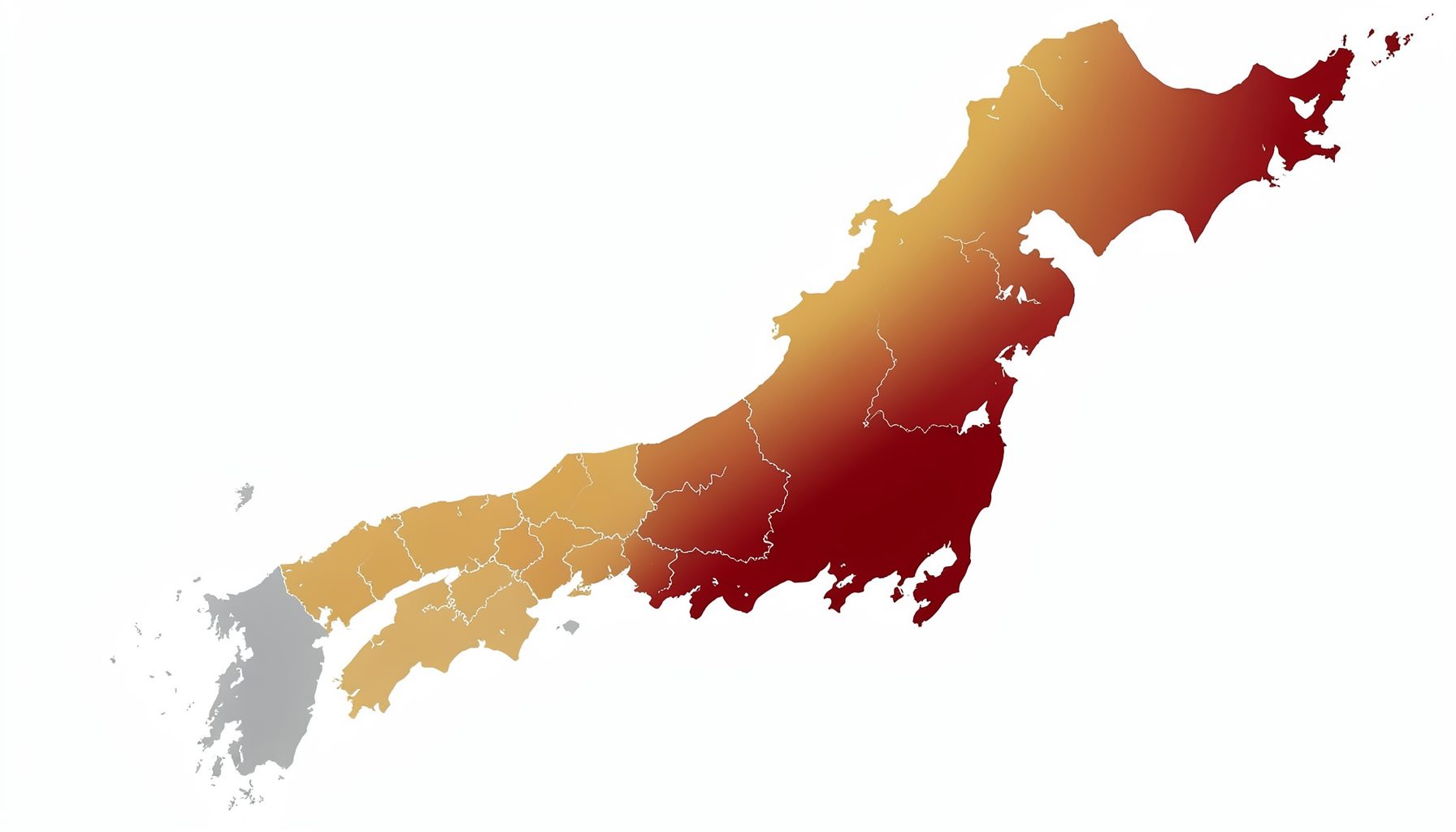
A mature model would combine obstetric emergency presentations with laboratory testing, hospital admissions, ambulance activity, pharmacy information and relevant community indicators. Japan’s multi-channel approach demonstrates the value of bringing together signals from clinics, hospitals, pharmacies, schools, elderly-care facilities and laboratories. For Australia, the same principle could support stronger coordination while respecting state and territory responsibilities.
Public-health agencies and maternity services can begin with a carefully governed pilot in selected obstetric emergency units. Define the indicators, establish secure data flows, involve clinicians and Aboriginal and Torres Strait Islander health representatives, and test alerts against historical records. A modest, well-validated system can provide meaningful early warning and help move listeriosis response from delayed confirmation towards faster, better-coordinated action.