





Flooding, fever and jaundice signals for leptospirosis
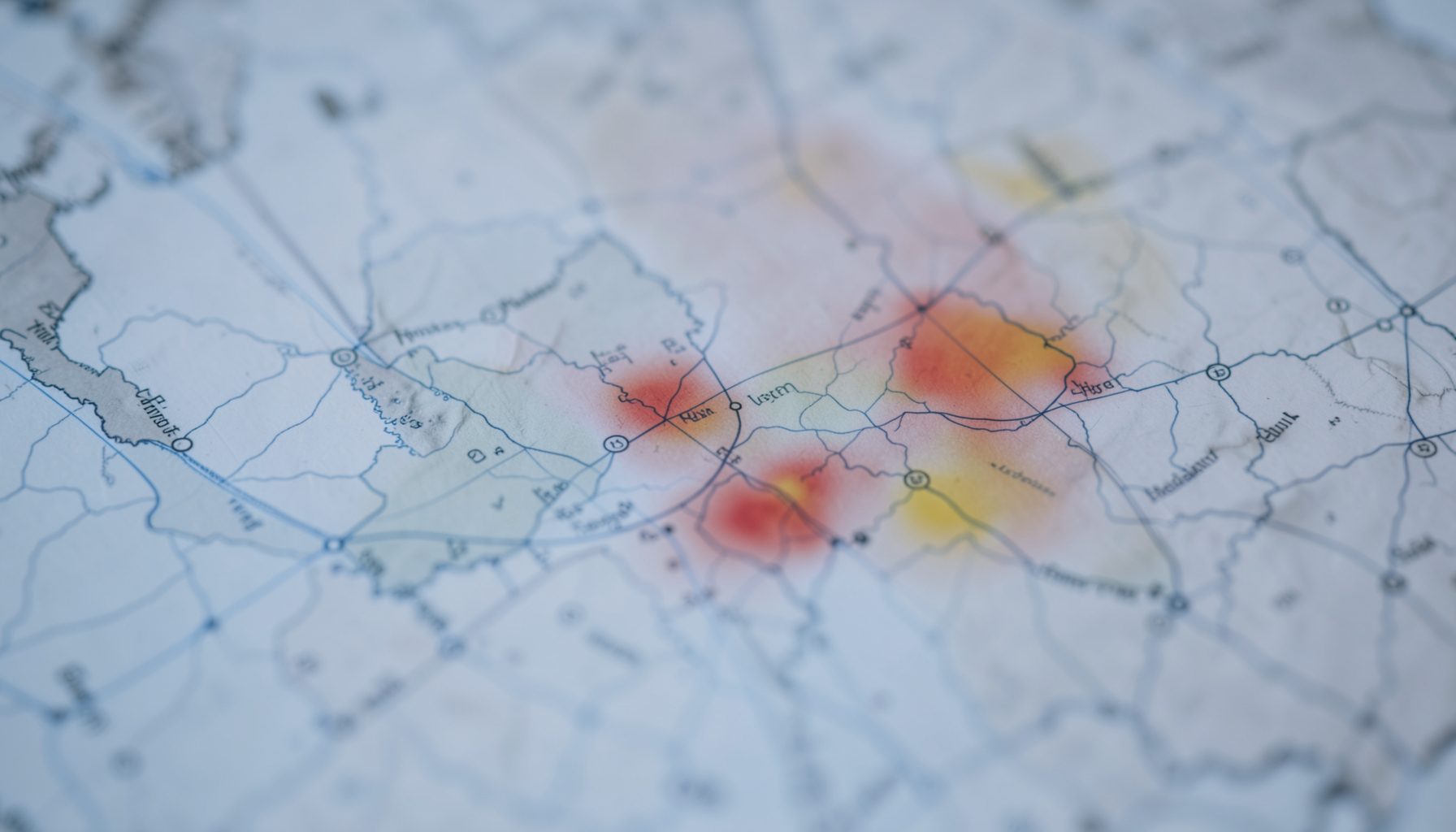
Leptospirosis is a bacterial infection carried in the urine of infected animals and spread when contaminated water or soil enters a cut, graze, eye or mouth. Flooding can turn ordinary runoff into an efficient carrier of Leptospira, particularly in the warm, wet parts of Australia. Syndromic surveillance for leptospirosis using emergency department visits with jaundice and fever after flooding can provide early warning before laboratory confirmation.
Emergency department visits with fever and jaundice form a useful syndromic signal after major rainfall, especially when patients report contact with muddy water, sewer overflows, flood debris or animals. Jaundice does not prove leptospirosis, but the combination can indicate severe infection and warrants prompt clinical assessment. It also helps to examine a broader pattern of febrile illness, including headache, severe muscle pain, vomiting, reduced urine output or confusion, rather than relying on one symptom.
Australian flood seasons make this approach especially timely. Brisbane and Lismore have experienced damaging inland flooding, while Townsville, Cairns and other northern communities face repeated monsoon rain and tropical cyclones. A workable system links public and private emergency departments, ambulance services, general practices, pharmacies, schools, aged-care providers and laboratories, then translates unusual rises in illness into a rapid investigation by state health teams.
Why floodwater heightens leptospirosis risk
Leptospira does not multiply freely in clean water; its risk rises when floodwater picks up infection from the urine of rats, mice, dogs, cattle and other mammals. Heavy rain also drives organisms into drains, streams, farmyards and low-lying recreation areas. Exposure may occur while swimming, wading, camping, inspecting property or helping clean up, so an interview about location and activity can be as informative as the diagnosis recorded at triage.
The pattern matters across Australian settings. In rural Queensland and New South Wales, stock handling, irrigation and flooded farm access can place workers near animal urine. In urban areas such as Brisbane, open drains and stormwater can expose people during cleanup. Warmer conditions and abundant rodents can amplify risk, while northern travel means imported malaria or locally circulating dengue may also produce fever and systemic symptoms.
Cleaning behaviour is a local reality worth accounting for. Residents may use gumboots, gloves and even makeshift barriers, yet broken skin and long hours in contaminated water can defeat informal precautions. Public messaging should give clear instructions about washing wounds, covering cuts and avoiding swimming or contact with floodwater, without stigmatising communities that have limited protective equipment or must enter the water to support relatives and livestock.
Designing a practical emergency department signal
A surveillance team can define a syndrome from structured emergency department fields: fever recorded in observations or a febrile complaint, paired with jaundice noted by a clinician, discharge diagnosis, or both. Free-text notes may add exposure terms such as “floodwater”, “sewer”, “rat” or “farm”, but text mining needs validation to avoid counting irrelevant mentions. A narrow code list can miss early disease, so the operational definition should balance sensitivity with a manageable false-positive burden.
Examples from other infectious conditions show why emergency department patterns can complement case notification. A paper on obstetric emergency visit patterns demonstrates how signals can be framed around clinically important visits before every diagnosis is laboratory-confirmed. The same discipline applies here: compare the number and location of fever-plus-jaundice visits with expected seasonal levels, then review age, sex, occupation, postcode and flood exposure.
Case definitions should be versioned, with dates, codes, age bands and thresholds recorded so that alerts can be reproduced. Clinicians may code jaundice differently, and a hospital may change its electronic form mid-event. Sudden volume changes can also reflect evacuation, access restrictions or a hospital diversion rather than disease. Data-quality checks and a rolling baseline are therefore as important as the counting rule itself.
Connecting the signal with other surveillance channels
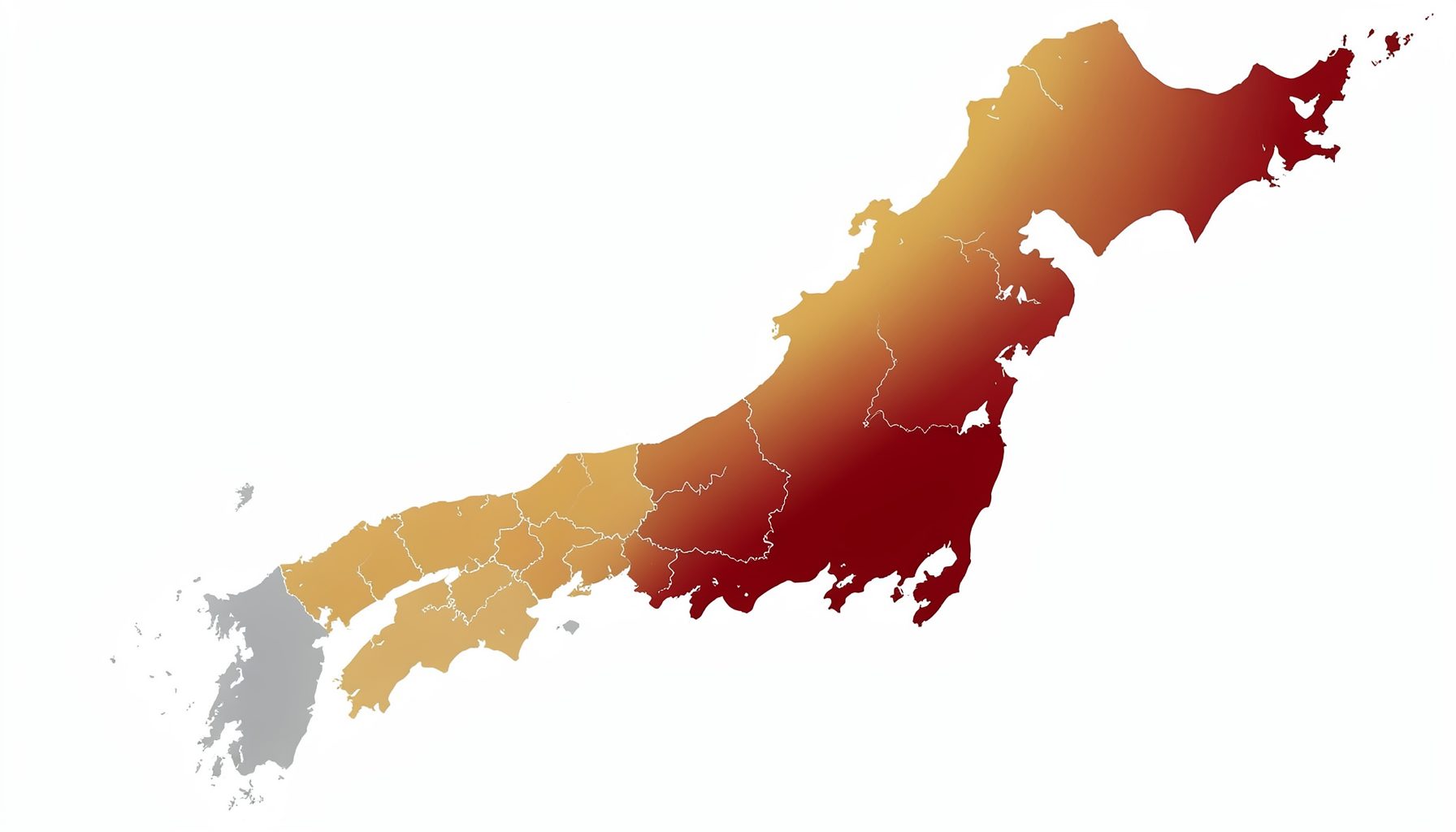
Emergency department data should sit within a multi-channel surveillance picture. The Japanese model described by syndromic surveillance resources combines clinics, hospitals, ambulances, pharmacies, schools, elderly-care facilities and laboratory testing. In Australia, the equivalent would connect local health units, public and private hospitals, general practices and Primary Health Networks, pathology laboratories, ambulance dispatch, community pharmacies, schools and residential aged-care services without treating every channel as equally specific.
Schools can reveal clusters that are invisible in individual clinics. The monitoring school absenteeism resource explains how absence data can support early warning, while flood closures may make absences less meaningful unless school and local authority calendars are considered. Elevated absence can complement an emergency department rise, but it cannot identify jaundice or leptospirosis and should not be used alone to declare an outbreak.
Pharmacy sales of antipyretics, hydration products or antibiotics may suggest community illness, although flooding can disrupt pharmacies and supply. Ambulance calls add information about people unable to reach care, while laboratory testing confirms the organism and identifies whether cases share a strain. Notifications, including information from emergency departments and general practices, provide the clinical link; each source has different coverage, timeliness and bias.
Reading the numbers in an Australian setting
Australian interpretation must account for population movement and unequal access. Flood evacuation can move people from one catchment to another, temporarily increasing emergency department demand in a receiving town. Remote communities may have longer travel times, fewer diagnostic options and delayed specimen transport. Aboriginal and Torres Strait Islander communities require appropriately designed, community-led communication and accessible testing, especially where flood recovery already strains housing, water safety and primary care services. Australia’s mixed public and private hospital market and the role of bulk-billed general practice also mean surveillance partnerships must include more than major public hospitals.
Summer rainfall, influenza and other febrile illnesses can coincide with flood alerts. In tropical northern cities, dengue needs deliberate consideration; malaria must also be considered when travel history is relevant. Severe leptospirosis can resemble these conditions, including dengue’s bleeding tendency or renal involvement. Alert teams should record travel, vaccination and exposure histories rather than label every post-flood fever as leptospirosis, while maintaining a low threshold for testing suspected cases.
Clear terminology reduces confusion between a syndromic alert and a diagnosed outbreak. The site’s bonus signal terms can help teams review signal vocabulary, while local teams should agree on terms such as “suspected case”, “confirmed case”, “exposure” and “alert threshold”. A fever-and-jaundice visit is a clinical syndrome, not laboratory-confirmed leptospirosis; a cluster becomes more credible when several independent sources align in time and place.
Turning early warnings into coordinated action
When an alert is triggered, the response should be rapid but proportionate. A designated public-health lead can contact the affected hospitals, review de-identified records, check laboratory and ambulance signals and determine whether a case definition needs refinement. Clinicians should be reminded to ask about floodwater and animal exposure, collect appropriate specimens and notify the jurisdictional health unit when leptospirosis is suspected. The aim is to find cases and protect care, not to create a long list from a nonspecific symptom pair.
Public communication should state what is known, what remains uncertain and what residents should do. Local councils can coordinate notices about contaminated water, wound care and animal control, while pharmacies and general practices can reinforce the same advice. Hospitals can use consistent triage prompts and rapid notification pathways. Evidence from retrospective studies is useful for setting thresholds, but a live alert should be reviewed repeatedly as fresh clinic, laboratory and community data arrive.
Evaluation should cover timeliness, sensitivity, false alarms and the speed of response, not merely the number of cases detected. Teams can measure how long the pathway takes from the first anomalous emergency department pattern to case review, and whether clinicians received useful information. Privacy controls, role-based access and clear governance are essential because small geographic cells, occupations or school-linked records can identify people in communities with small populations.
Australian agencies can make flood-related leptospirosis surveillance ready before the next emergency. Update the syndrome definition, map contributing hospitals and laboratories, test the alert workflow with a simulated cluster, and agree on who can act when fever-plus-jaundice visits rise above baseline. Build links between local health units, emergency departments, ambulance services, pharmacies, schools and aged-care providers so that a weak signal is checked rather than overinterpreted.
The immediate priority is to convene a flood-season surveillance huddle in each priority catchment, nominate a clinical and public-health lead, and establish a same-day escalation route for suspected leptospirosis. Keep the public message practical: avoid floodwater, protect cuts, seek care for fever with yellow eyes or skin, and report recent water or animal exposure. Early coordinated action gives clinicians the best chance to reduce severe illness and gives communities timely, credible guidance.