





Reading Injury Signals During Public Celebrations
Public celebrations create temporary environments where ordinary injury patterns can change quickly. Fireworks, crowded streets, outdoor concerts, sporting events, parades, festivals, and holiday gatherings may produce burns, falls, cuts, heat-related illness, alcohol-related injuries, traffic trauma, and crowd incidents within a short period. These events can also place unusual pressure on emergency departments, ambulance services, pharmacies, and local public-health teams.
Syndromic surveillance helps officials recognize these changes before complete diagnostic information is available. Instead of waiting for confirmed diagnoses, teams monitor early indicators such as chief complaints, triage notes, ambulance dispatch codes, over-the-counter medicine purchases, school absences, and reports from care facilities. The objective is to identify an unusual concentration of symptoms or injury circumstances while there is still time to reduce harm.
For celebrations, this approach is especially useful because the risk window is often brief. A rise in eye injuries after fireworks, repeated falls near a crowded venue, or increasing heat symptoms during an outdoor event may require action within hours. Surveillance does not replace clinical assessment or police and emergency management information; it adds a timely epidemiological perspective.
Why Celebrations Create Distinct Injury Signals
Celebrations alter exposure patterns. People may gather in unfamiliar locations, travel late at night, consume alcohol, handle fireworks, stand for long periods, or move through dense crowds. Children may have greater access to hazardous objects, while older adults may face increased fall risks on uneven ground or in congested public spaces. Weather can intensify these exposures through heat, humidity, rain, wind, or sudden temperature changes.
The timing of injuries is often concentrated around specific activities. Firework displays may be followed by burns, lacerations, hearing complaints, and eye trauma. Parades can produce pedestrian and vehicle injuries, while festivals may generate dehydration, fainting, food-related symptoms, and minor trauma. A surveillance system that includes time, place, age group, and presenting symptom can help distinguish an event-related signal from the normal background level of emergency care.
A single injury report rarely establishes a public-health problem. The value comes from detecting clusters: several similar presentations from the same venue, an unexpected increase compared with previous weekends, or a change in the age distribution of injured people. This makes baseline data and local context essential.
What Syndromic Data Can Reveal
Syndromic systems collect information before a final diagnosis is coded. Emergency department chief complaints may identify “burn,” “eye injury,” “fall,” “assault,” “heat illness,” or “motor vehicle collision.” Ambulance records can add dispatch location, injury mechanism, and transport volume. Pharmacy data may show increased purchases of wound-care products, analgesics, rehydration products, or allergy treatments, although these signals require careful interpretation because people may buy products without seeking medical care.
The strongest analysis combines several channels. A sudden increase in ambulance calls near a celebration venue becomes more meaningful if nearby hospitals also report injuries with similar timing. Pharmacy activity can support the picture of widespread minor injuries, while school or elderly-care reports may reveal impacts among groups that are less likely to visit emergency departments. Laboratory data may be less central for physical injuries, but it can help identify concurrent infectious threats that complicate event planning.
Analysts should use flexible case definitions rather than relying only on diagnostic codes. A practical injury query might combine symptom terms, external-cause information, body location, and keywords for fireworks, crowding, vehicles, alcohol, or heat. Natural-language data can be valuable, but it requires validation to prevent false alerts caused by copied notes, ambiguous wording, or changes in documentation practices.
Building A Multi-Channel Picture
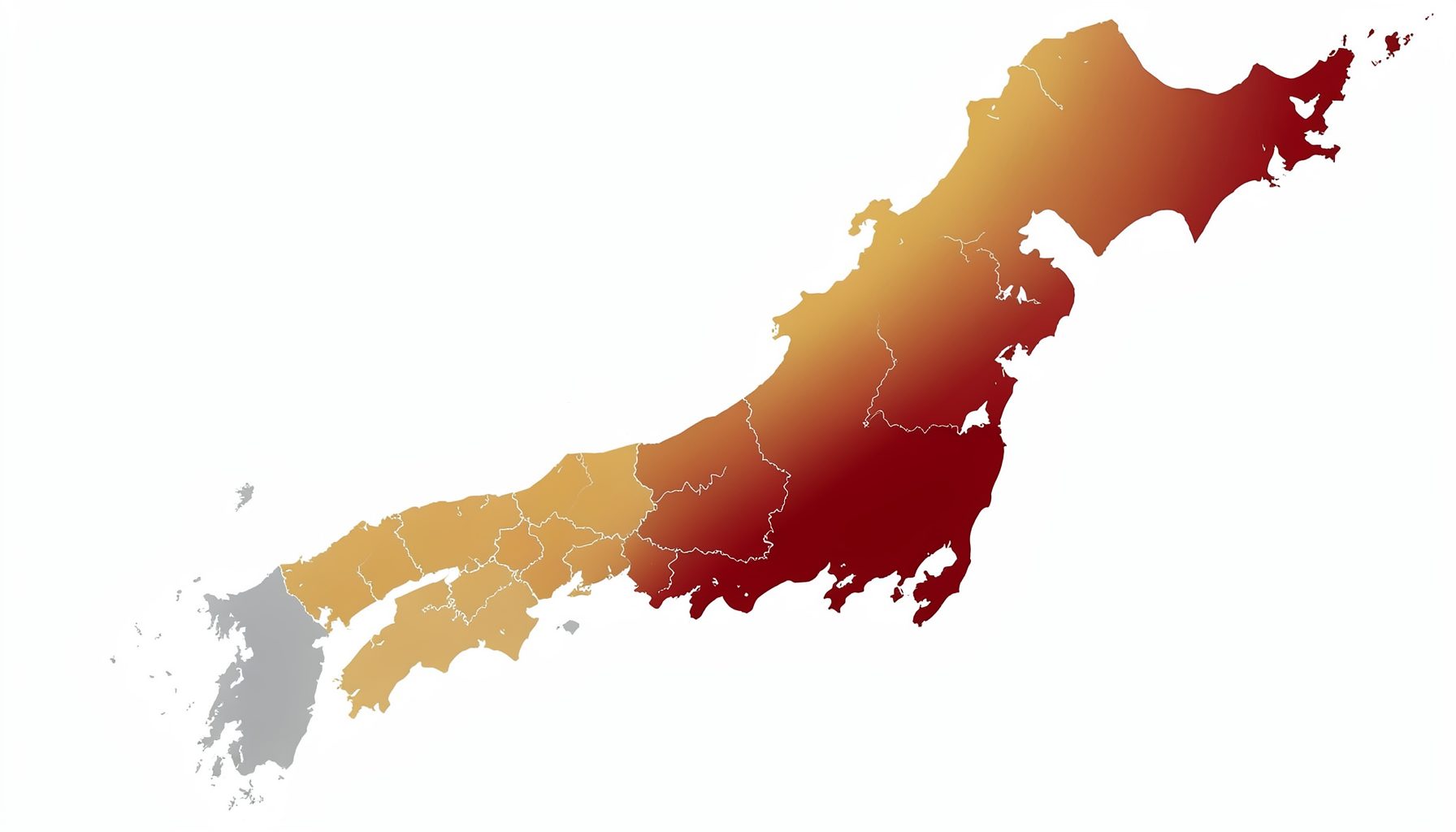
A celebration-focused monitoring plan should specify which data streams are available, how frequently they are updated, and who reviews the results. Japan’s broader syndromic surveillance model is useful as a reference because it connects information from clinics, hospitals, ambulances, pharmacies, schools, elderly-care facilities, and laboratory services. Resources on syndromic surveillance can help public-health partners understand how these channels fit into an early-warning framework.
| Data source | Injury signals | Timing value | Important limitations |
|---|---|---|---|
| Emergency departments | Burns, falls, trauma, heat illness, eye injuries | Near real time to daily | Misses people who do not seek care |
| Ambulance services | Dispatch locations, mechanisms, transport demand | Immediate | Coding and location detail may vary |
| Pharmacies | Wound care, analgesics, rehydration products | Daily or faster | Purchases do not confirm an injury |
| Schools | Absences, nurse visits, playground or event injuries | Daily during term | Limited during holidays and school closures |
| Elderly-care facilities | Falls, dehydration, functional changes | Daily or shift-based | Reporting capacity differs by facility |
| Event medical posts | On-site treatment and referrals | Immediate | May lack full patient histories |
| Laboratory services | Selected infections that may affect event response | Variable | Usually less useful for acute trauma |
Integration should preserve the strengths of each source without treating them as interchangeable. Hospital data may be clinically detailed but delayed, whereas event medical-post data can arrive quickly but cover only one location. Ambulance records may identify a cluster before hospitals do, while pharmacy sales can suggest a broad pattern of minor injuries that never enters the formal healthcare system.
Operational agreements should define data fields, update intervals, alert thresholds, and escalation contacts before the celebration begins. A short event code can help analysts separate celebration-related encounters from routine activity. Geographic tagging is equally important: the system should distinguish the venue, surrounding transport routes, nearby accommodation, and the patient’s residence when possible and lawful.
Interpreting Signals In Context
Celebrations naturally produce more healthcare activity, so a higher count does not automatically indicate an emergency. Analysts should compare current observations with historical baselines for the same season, day of week, hour, venue type, and weather conditions. A ten-case increase may be significant in a small rural district but routine in a major city hosting a large festival.
Thresholds should combine volume, rate, severity, and concentration. A modest number of severe eye injuries from fireworks may deserve faster escalation than a larger number of minor blisters. Useful indicators include the percentage of patients requiring admission, ambulance transport, surgery, observation, or referral to specialist care. A geographic cluster within a narrow time period can also raise concern even when the total count remains low.
The system must account for reporting artifacts. A hospital may temporarily change its triage process, an event organizer may improve reporting, or a pharmacy may run a promotion that increases purchases. Analysts should look for corroboration across independent channels and document the evidence behind each alert. Human review by epidemiologists, clinicians, emergency managers, and venue officials can prevent automated rules from producing unnecessary disruption.
Privacy protection is part of signal quality. Data should be aggregated where possible, access should be role-based, and small counts should be handled carefully to avoid identifying individuals. Public reporting can describe trends by time, location, age band, or injury category without exposing personal details.
Using Schools And Community Settings
Children and adolescents may be affected by celebrations even when they never visit a hospital. They may miss school after an injury, visit a school nurse, or be referred for care by a teacher or family member. School-based monitoring can therefore provide an early indication of minor injuries, heat stress, respiratory symptoms caused by smoke, or incidents linked to community events. A school-based surveillance guide offers useful context for cooperation between education and health partners.
School signals must be interpreted according to the calendar. Holiday closures, examination periods, sports days, and changes in attendance policy can create apparent increases or decreases unrelated to injury risk. The most useful reports may combine absence reason, nurse visits, broad symptom category, and event exposure while avoiding unnecessary personal information.
Community pharmacies and elderly-care facilities extend monitoring to people with different care-seeking habits. Older adults may experience falls, dehydration, or medication-related problems after long periods outdoors, while pharmacies may observe demand for dressings or pain relief among people with minor injuries. Community organizations can also report unsafe crowd conditions, blocked exits, poor lighting, or heat exposure before those hazards produce a large number of clinical encounters.
Communication with the public should be based on verified signals and practical risk information. If surveillance detects rising heat illness near a venue, officials may coordinate water access, shaded rest areas, transport adjustments, and first-aid staffing. If firework-related eye injuries increase, authorities can reinforce protective-equipment messages and review launch areas without implying that every injury is linked to negligence.
From Detection To Response
An alert is useful only when it leads to a proportionate decision. Event planners and health authorities should agree in advance on who verifies a signal, who contacts clinical services, and who can alter operations. Responses may include deploying additional first-aid staff, opening a cooling area, redirecting ambulances, separating pedestrian and vehicle flows, suspending a hazardous activity, or issuing a targeted public warning.
A practical response framework can prioritize these actions:
- Establish a pre-event injury baseline using local emergency, ambulance, pharmacy, and event medical data.
- Monitor high-risk indicators at short intervals during the celebration and for several hours afterward.
- Verify unusual clusters through at least one independent source before broad public communication.
- Link each alert threshold to a named decision-maker and a specific operational response.
- Review the event afterward to improve case definitions, baselines, staffing, and prevention measures.
Post-event analysis should examine both what the system detected and what it missed. Compare surveillance alerts with final hospital records, ambulance summaries, incident logs, and venue reports. This can reveal whether minor injuries were overrepresented, whether severe cases were detected quickly, or whether certain populations were absent from the data. Findings can then inform planning for the next celebration.
Public-health agencies, venue operators, healthcare providers, and technology teams can begin with a limited set of injury indicators and expand as data quality improves. Clear governance, tested reporting channels, and timely coordination make syndromic surveillance a practical tool for safer public celebrations. For support in developing a monitoring approach or connecting relevant partners, teams can contact public-health specialists before the next event planning cycle.