





Detecting Tuberculosis Signals in Residential Aged Care
A persistent cough in a residential aged care facility can be easy to dismiss as a lingering cold, asthma, reflux, medication side effect or chronic lung disease. In an older person, however, the same symptom may also mark tuberculosis (TB), particularly when it appears alongside weight loss, fatigue, fever, night sweats or a cluster of respiratory complaints among residents and staff.
Syndromic surveillance helps facilities notice these patterns before laboratory confirmation is available. Rather than waiting for a positive sputum test or a formal diagnosis, the approach tracks symptoms, care-seeking behaviour, absences, ambulance transfers, pharmacy activity and other early indicators. The purpose is not to label every cough as TB, but to identify an unusual change that deserves timely clinical assessment.
For Australian residential aged care facilities (RACFs), this is especially relevant where residents have multiple health conditions, reduced immunity, previous exposure to TB, or difficulty communicating symptoms. A cough may be recorded in progress notes, nursing handovers, GP referrals, after-hours consultations and hospital records long before the cause is established.
A well-designed monitoring process connects local observations with public-health expertise. It can support earlier isolation advice, appropriate personal protective equipment, contact assessment and testing while avoiding unnecessary alarm. The most useful signal is usually a combination of symptoms, time, place and population risk rather than a single case count.
Why chronic cough deserves structured monitoring
Many coughs in aged care have non-infectious causes. Chronic obstructive pulmonary disease, heart failure, aspiration, gastro-oesophageal reflux, allergies and inhaled medicines can all produce persistent respiratory symptoms. Seasonal influenza, COVID-19, respiratory syncytial virus and bacterial pneumonia may also affect residents without involving TB.
TB becomes more concerning when a cough lasts for several weeks or changes from a person’s usual baseline. Warning features include coughing up blood, unexplained weight loss, reduced appetite, prolonged tiredness, fever, night sweats and a decline in mobility or function. Older adults may show fewer classic symptoms, and some may present mainly with confusion, weakness or worsening frailty.
Surveillance should therefore record duration and change, not simply the presence of “cough”. A resident who coughs occasionally because of swallowing difficulty is different from a resident who develops a new daily cough, loses weight and requires more nursing attention. Clear definitions make the data more useful for both facility managers and clinicians.
The signal can also arise from staff, agency workers, visitors or regular contractors. A cluster involving several people in the same wing, dining area or activity group may indicate a respiratory outbreak even when the first case has not been diagnosed. Staff illness and unplanned absences can provide an important supporting indicator.
Building a useful signal from routine data
A practical system begins with existing records. Daily nursing documentation can capture new or worsening cough, sputum, fever, night sweats, appetite changes, weight loss and shortness of breath. The facility can add dates of symptom onset, room or wing location, recent hospital attendance and whether the person has received a clinical review.
Other channels strengthen the picture. Pharmacy data may show an increase in cough medicines, antibiotics or fever treatments, although these products are not specific to TB. Ambulance transfers, after-hours GP appointments, emergency department presentations and respiratory isolation requests can reveal pressure building across the facility. School absenteeism is useful in broader community surveillance, while aged-care absenteeism is more relevant to a RACF’s immediate risk assessment.
Thresholds should be agreed before an event occurs. Examples might include two or more residents with a new persistent cough in the same area, one person with a prolonged cough plus systemic symptoms, or an unusual rise in respiratory complaints over a seven-day period. Thresholds are triggers for review, not automatic diagnoses or public announcements.
Data should be reviewed by a designated infection prevention and control lead, with escalation to the facility’s medical practitioner and the relevant state or territory public health unit. In New South Wales, Victoria, Queensland and other jurisdictions, notification and contact-tracing arrangements may differ, so facilities should use current local guidance rather than rely on a generic national workflow.
Linking symptoms with exposure and vulnerability
A cough signal becomes more informative when it is interpreted alongside resident histories. Relevant factors can include birth or long-term residence in a country where TB is more common, previous TB infection, immunosuppressive treatment, silicosis, diabetes, kidney disease, malnutrition and recent close contact with someone diagnosed with infectious TB.
This information must be handled sensitively. A person’s country of birth or cultural background should never be treated as proof of infection. The purpose of collecting risk factors is to support clinical prioritisation, not to stigmatise residents, staff or families. Interpreters and culturally safe communication are important when discussing testing, isolation or contact investigations.
The physical environment also matters. Shared bedrooms, communal dining, poor ventilation and crowded indoor activities can increase the opportunity for airborne transmission when pulmonary or laryngeal TB is infectious. Facilities in Sydney, Melbourne, Perth or regional communities may have different building layouts and access to respiratory services, so the surveillance model should reflect local conditions.
Routine monitoring can include ventilation concerns, room movements and group activities without turning the facility into a restrictive environment. Opening windows where safe, checking mechanical ventilation, keeping symptomatic people away from communal events until assessed, and maintaining good respiratory hygiene are proportionate early measures. A response should protect residents while preserving dignity and social connection.
From an early warning to clinical confirmation
Syndromic surveillance cannot confirm TB. A clinician must assess the resident and arrange the appropriate diagnostic pathway, which may include chest imaging, sputum testing, nucleic acid amplification, microscopy and culture. Some older adults cannot produce sputum easily, so specialist advice may be needed to select alternative specimens or procedures.
When infectious TB is suspected, staff should follow clinical and public-health instructions about source control, room placement, ventilation, respirators and movement around the facility. Standard surgical masks may not provide the same protection as fit-tested particulate respirators for staff entering a room where airborne TB is suspected. Personal protective equipment decisions should be guided by Australian infection-control advice and expert assessment.
The facility should maintain a clear timeline: first symptoms, first clinical review, tests ordered, transfers, contacts and control measures. This record helps public-health teams determine who may require screening and whether transmission could have occurred. It also prevents repeated questioning of a frail resident or family member.
A confirmed case may lead to targeted contact tracing rather than facility-wide disruption. Close contacts can be assessed according to the infectious period, exposure setting and individual vulnerability. Preventive treatment may be recommended for some contacts after appropriate testing. The response should be coordinated with the local public health unit, the resident’s GP, respiratory specialists and the person’s substitute decision-maker where applicable.
What Australia can learn from multi-channel monitoring
Australia’s aged-care system already generates many streams of health information, but they are often separated between facility software, pathology providers, hospitals, pharmacies and public-health agencies. A simple dashboard or daily review process can bring these signals together without requiring every symptom to be entered into a complex new platform.
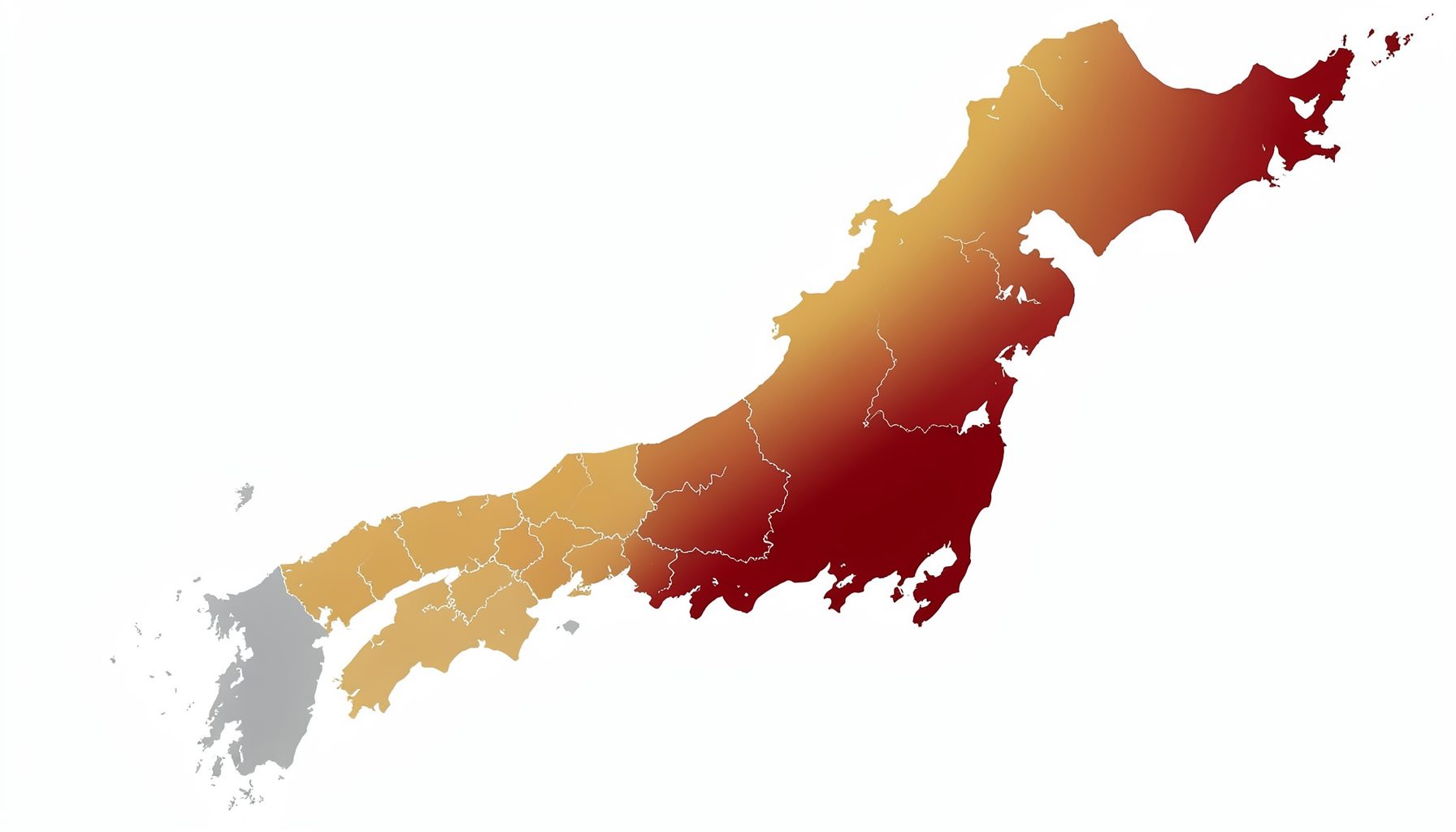
This is consistent with the wider value of syndromic surveillance: acting on patterns before confirmation while retaining laboratory testing as the diagnostic standard. Japan’s public-health monitoring model illustrates how information from clinics, hospitals, ambulances, pharmacies, schools, elderly-care facilities and laboratories can contribute to earlier situational awareness. Its approach to zoonotic outbreak monitoring also demonstrates why signals from different settings should be interpreted together rather than in isolation. zoonotic outbreak monitoring
Australian facilities can adapt this principle to local governance. A metropolitan RACF might review symptom counts with a nearby hospital network and community pathology provider, while a rural service may need a more direct arrangement with a regional public health unit because specialist respiratory services are farther away. Digital systems should support data sharing, but a reliable telephone escalation pathway remains essential.
The commercial market includes aged-care clinical platforms, electronic medication administration records, pathology portals and outbreak-management tools. Buying software is less important than agreeing on definitions, ownership and response times. A low-cost spreadsheet reviewed consistently can be more valuable than an advanced platform that staff do not trust or cannot use during a busy shift.
Protecting residents while improving readiness
Training should help care workers recognise that TB may present subtly in older people. Short sessions can cover persistent cough, unexplained decline, airborne precautions, documentation standards and escalation pathways. Examples should distinguish a resident’s usual chronic symptoms from a meaningful change, reducing both missed signals and unnecessary referrals.
Families and residents also need plain-language information. They should understand why staff may ask about cough duration, weight change or previous exposure, and why testing can be recommended even when a person feels only mildly unwell. Clear explanations reduce fear and counter the misconception that a TB assessment is a judgement about lifestyle, nationality or personal behaviour.
Privacy safeguards are essential. Reports should use the minimum information needed for infection-control action, restrict access to authorised personnel and avoid identifying a resident in broad staff communications. Aggregated counts can support operational monitoring, while clinical details remain within the appropriate care team.
Preparedness should be tested before a real event. A facility can run a tabletop exercise involving a resident with a three-week cough, a shared dining area, a staff member with symptoms and a pending hospital referral. The exercise can reveal gaps in after-hours contacts, respirator supplies, transport arrangements, family communication and documentation.
Heat and respiratory events may overlap in Australian summers and winters. During extreme heat, facilities may monitor hydration and changes in care-seeking behaviour alongside respiratory complaints; practical lessons from heatwave dehydration surveillance show how routine signals can support faster action in vulnerable populations. Seasonal planning should account for local weather, influenza vaccination campaigns, COVID-19 waves and reduced staffing around public holidays.
A reliable chronic cough monitoring process gives Australian aged care teams an earlier view of possible respiratory transmission. Facilities should define their signals, train staff to document change, connect promptly with clinicians and public-health authorities, and review the process after every alert. Start with a small daily dataset, establish clear escalation thresholds and ensure that every concerning pattern receives a documented clinical response.