





Detecting Carbon Monoxide Exposure After Cyclones
When a cyclone cuts electricity, portable generators can keep refrigerators, medical devices, pumps and communication equipment operating. They can also create a silent poisoning hazard when used inside homes, garages, sheds, caravans or partly enclosed outdoor areas. Carbon monoxide (CO) is colourless and odourless, so people may recognise headache, dizziness or nausea only after several household members have been affected.
Syndromic surveillance can provide an early warning before every case is laboratory-confirmed or formally coded as poisoning. By combining information from emergency departments, general practices, ambulance services, pharmacies, poison centres, schools, aged-care facilities and laboratories, public-health teams can identify an unusual pattern soon enough to improve warnings and emergency response. The approach described by syndromic surveillance is especially relevant when normal reporting channels are disrupted by a major storm.
Why Generator Exposure Needs Early Signals
After a cyclone, carbon monoxide illness may be confused with dehydration, gastroenteritis, influenza, heat stress or an exacerbation of asthma. A person may present with headache and weakness while a family member reports vomiting or confusion. If clinicians do not initially know that a generator is operating nearby, the exposure can be missed, particularly when electricity failures affect whole neighbourhoods.
The risk rises during prolonged outages, when households improvise with equipment purchased quickly from hardware stores or borrowed from neighbours. In Queensland, residents around Townsville, Cairns and Mackay may face intense rain, flooding and long restoration times after a tropical cyclone. In the Northern Territory and northern Western Australia, remote communities may have even fewer clinical services and longer travel times to hospital.
A surveillance system does not diagnose an individual. It detects a rise in compatible symptoms, clinical impressions, ambulance call-outs or oxygen and carboxyhaemoglobin testing. A cluster of people from the same address, street or evacuation centre can prompt an environmental investigation, even while confirmatory results are still pending.
What A Multi-Channel System Can Detect
The strongest system uses several partially independent channels rather than relying on one notification stream. Emergency departments may record suspected CO poisoning, altered consciousness or toxic exposure. Ambulance crews may document multiple patients at one location. General practitioners can contribute information about sudden headaches, nausea, dizziness and exposure to combustion appliances.
Pharmacies can reveal increased demand for products linked to symptom relief, such as analgesics, antiemetics or respiratory medicines. Schools may report unusual absenteeism among children from affected households, while aged-care facilities can identify clusters of unexplained confusion or weakness. Laboratory data, including carboxyhaemoglobin testing, can strengthen the signal when testing capacity is available.
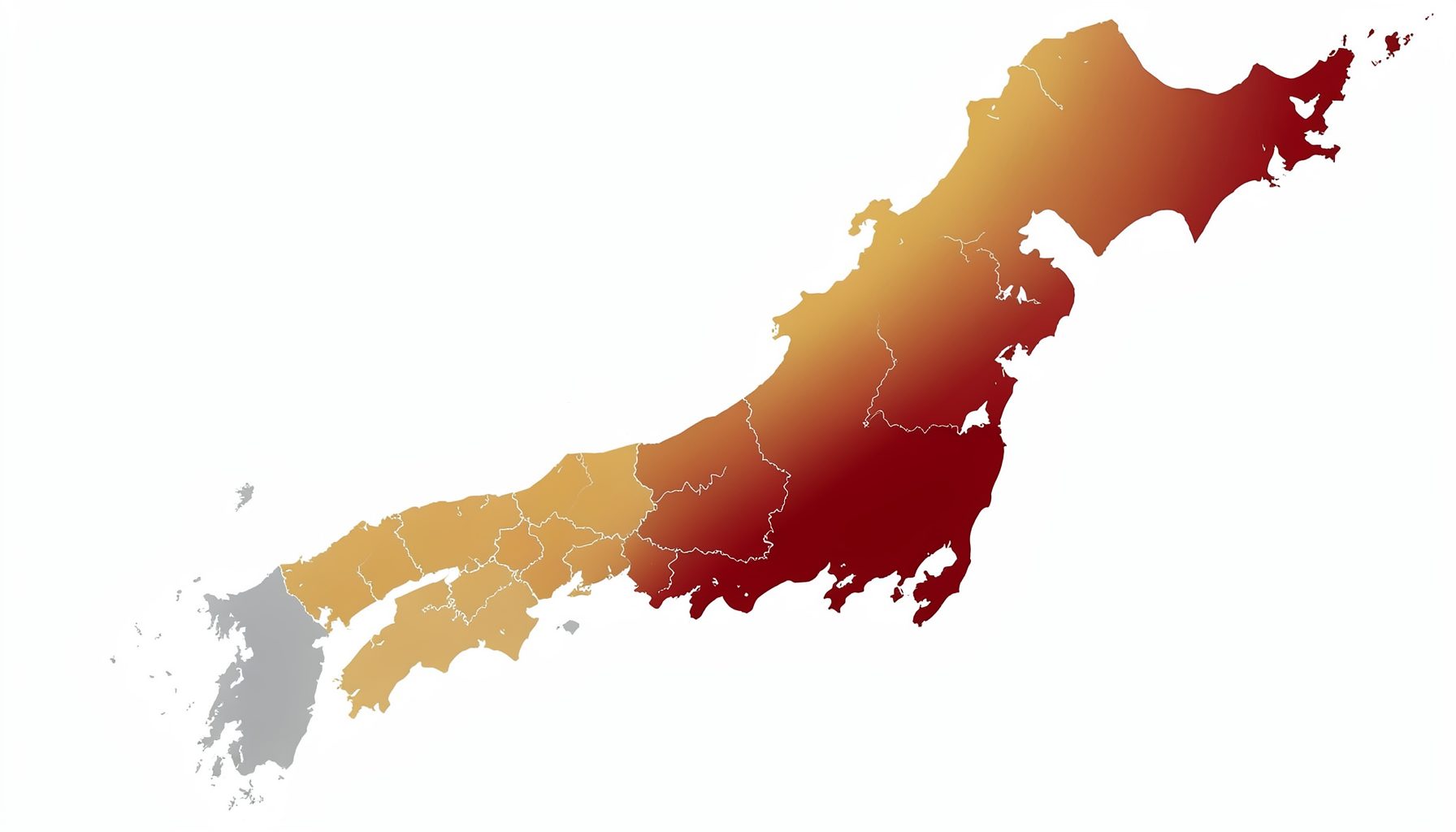
Japan’s multi-channel model offers a useful reference because it integrates reports from clinics, hospitals, ambulances, pharmacies, schools, elderly-care facilities and laboratories. For Australian jurisdictions, the same principle could be adapted to cyclone operations: bring together data that already exist, establish common definitions, and give authorised analysts a near-real-time view of unusual illness.
Building An Australian Data Stream
A practical Australian arrangement would connect state health departments, local hospital networks, ambulance services, poison information resources, councils and primary-care organisations. The Australian Health Protection Committee and state or territory emergency arrangements already provide structures for coordination, while local public-health units understand the communities and services affected by a particular storm.
Data collection should be proportionate and privacy-conscious. A useful record might include the date and time, patient age group, broad location, symptoms, suspected source, whether others were affected, clinical disposition and whether a generator or other fuel-burning appliance was involved. Exact residential addresses should be restricted to staff who need them for investigation and contact.
Priority Data Sources
- Emergency and urgent-care presentations for suspected poisoning
- Ambulance cases involving several symptomatic people at one site
- Pharmacy and general-practice reports of compatible symptoms
- Laboratory results for carboxyhaemoglobin or toxic exposure
Useful Signal Fields
- Cyclone, outage and evacuation-centre location
- Symptom onset and number of people affected
- Generator use, indoor placement or ventilation details
- Referral, admission and environmental follow-up status
These fields support both rapid detection and later evaluation. They can show whether an alert reflected genuine exposure, a change in reporting behaviour, or a temporary increase in health-service access. A dashboard should display counts and trends without exposing personal information, with location detail limited when numbers are small.
Using Pharmacy And Community Clues
Pharmacies are valuable during outages because people often seek advice or over-the-counter treatment before attending a hospital. A person with a mild headache may buy pain relief, while another household member seeks an anti-nausea product. These purchases do not prove CO exposure, but a sharp, localised change in symptom-related requests can add weight to signals from ambulance or clinical data.
A dedicated pharmacy reporting pathway should use simple categories and minimal free text. Staff could record suspected exposure concerns, several customers from one household, unusual clusters of headache or nausea, and referrals to emergency care. Guidance must make clear that pharmacy surveillance complements clinical assessment; it should never encourage staff to manage possible poisoning without urgent medical advice.
Resources on pharmacy reports demonstrate how community dispensing data can contribute to syndromic monitoring. In Australia, participation could be tested with pharmacies near evacuation centres, large shopping precincts and regional towns. Local chains and independent pharmacies may need different reporting tools, especially when internet connectivity or power is unreliable.
Community information also matters. SES volunteers, council officers, Indigenous health workers, school nurses and aged-care staff may hear about several symptomatic people before those cases enter a formal dataset. Their observations should flow through established public-health or emergency channels, with clear escalation rules and protection for confidential information.
Interpreting Signals After A Typhoon
In Australia, the event is generally called a cyclone rather than a typhoon, but the surveillance problem is similar across severe tropical storms. Analysts should compare current reports with a baseline that accounts for season, day of week, hospital activity and the disruption caused by the storm. A small absolute increase in a remote community may be more significant than a larger count in a major city.
Thresholds should combine volume, timing, geography and clinical detail. For example, five people from two households presenting with headache and vomiting within a few hours may deserve immediate review, especially if ambulance notes mention a generator. A gradual rise in vague symptoms across a whole region might require a different response, such as a public reminder about safe generator placement and ventilation.
False alarms are expected. Power restoration can send people back to clinics, media coverage can increase reporting, and gastrointestinal illness may circulate at evacuation centres. Analysts can improve confidence by looking for linked cases, compatible exposure histories, elevated carboxyhaemoglobin levels, repeated ambulance observations and reports from more than one data channel.
Automated alerts should therefore support human review rather than replace it. A public-health officer can contact the treating service, check whether the patients share an address, ask whether other household members are unwell and coordinate with fire, environmental health or emergency management teams.
Turning Alerts Into Safer Response
An alert has value only when it leads to timely action. The first response may include confirming patient care, advising clinicians to ask about fuel-burning equipment, arranging urgent assessment of the suspected location and warning residents not to operate generators indoors. Messages should state that opening a door or window may not make an indoor generator safe and that generators must remain well away from buildings, windows and vents.
Communication should match the local emergency context. Residents in Brisbane may receive information through council and state channels, while people in a remote Cape York community may rely on local radio, health workers, community leaders or in-person outreach. Warnings should be available in relevant languages and formats, and they should distinguish CO poisoning from ordinary smoke exposure.
Health services also need operational protection. During a prolonged outage, hospitals may face limited staffing, damaged roads and unreliable communications. A syndromic surveillance alert can help regional services prepare for an influx, check supplies, prioritise testing and identify whether an evacuation centre needs clinical support. It can also indicate when the signal is falling and intensive monitoring can be reduced.
The system should be reviewed after each cyclone season. Teams can measure how quickly reports arrived, how often alerts were confirmed, which communities were missed and whether public messages changed behaviour. Lessons from major international events, where enhanced monitoring is often used, can help Australia prepare temporary reporting arrangements for large storms, mass evacuations and disrupted infrastructure.
Public-health agencies, emergency managers and local care providers should establish the reporting pathway before the next cyclone forms. Agree on the symptoms, data fields, alert thresholds and responsible contacts, then test the process during routine preparedness exercises. Early recognition of a carbon monoxide cluster can prevent additional exposures, direct people to urgent care and turn fragmented observations into a faster, safer response.