





School Cafeteria Illness Reports as an Early Warning Signal
Monitoring school cafeteria worker illness reports can give public-health teams an early indication of a foodborne outbreak before laboratory results are available. A cluster of vomiting, diarrhoea, abdominal pain or sudden absence among people preparing meals may reveal that an infection is circulating through a school kitchen, food supplier or wider community.
This approach fits within syndromic surveillance, which uses routine health and operational information to identify unusual patterns quickly. For Australian schools, the signal may come from a government-run canteen, a contracted caterer, a volunteer-managed tuckshop or a central kitchen serving several campuses. The aim is not to diagnose individual workers, but to recognise a pattern that warrants timely assessment.
Why Cafeteria Signals Matter
Food handlers are positioned close to several possible points of transmission. They may receive deliveries, prepare ready-to-eat food, share staff amenities and work across multiple service periods. When several kitchen staff report gastrointestinal symptoms within a short period, the pattern may point to a common exposure, person-to-person spread or contamination associated with food handling.
A cafeteria signal can appear before students visit a doctor or a specimen is collected. Children may stay home, attend school while unwell, or present to a general practitioner several days after exposure. Workers, by contrast, may report symptoms directly to a supervisor because food safety rules require them to stop handling food when they are ill. That operational report can become an early public-health indicator.
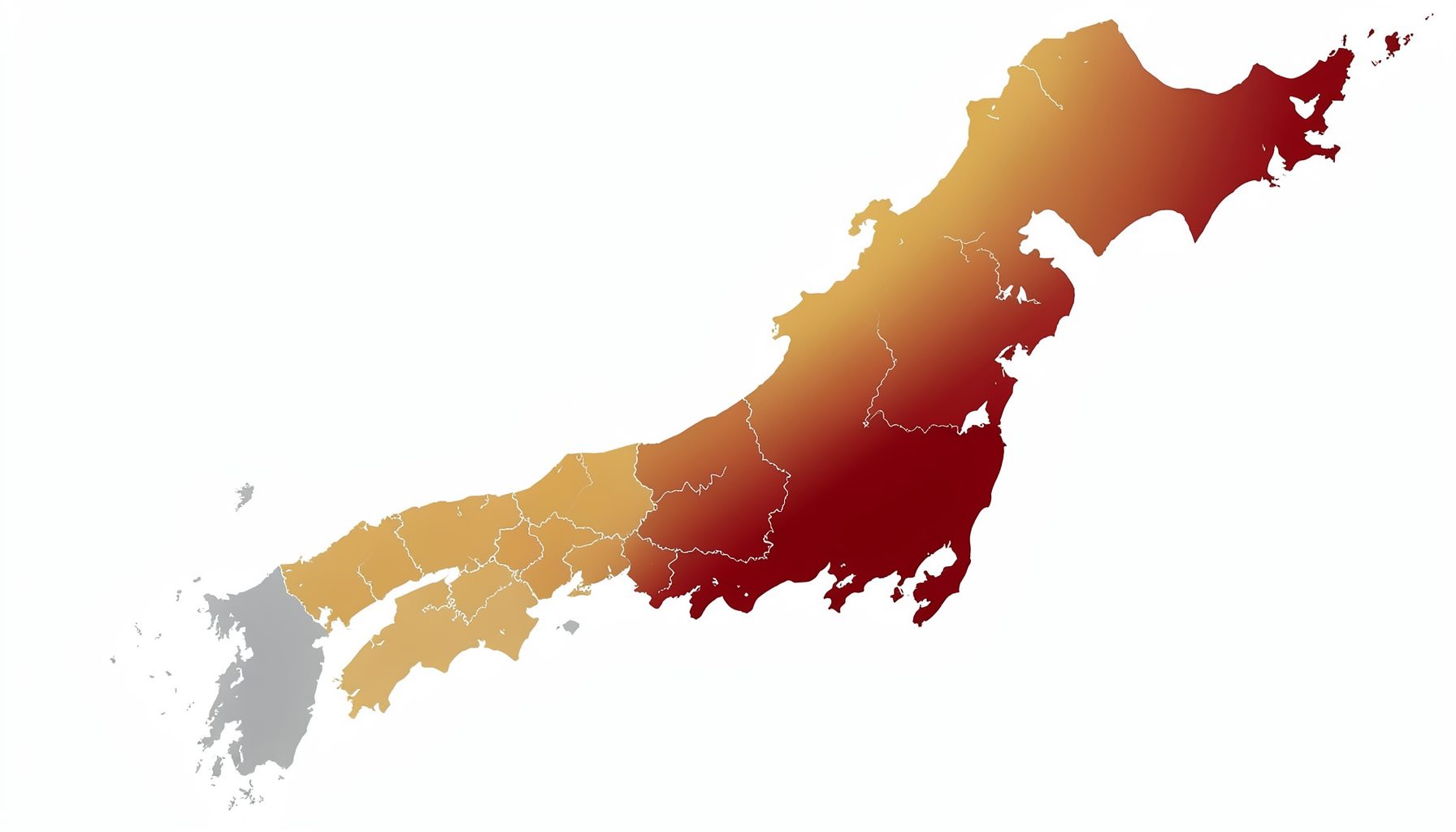
The signal is especially useful when combined with other information. A rise in absenteeism at a school, increased sales of oral rehydration products at nearby pharmacies, ambulance call-outs involving gastroenteritis, or emergency department presentations can strengthen the interpretation. Japan’s surveillance model demonstrates how multiple streams can support action before confirmed diagnoses are complete.
What A Useful Report Should Capture
A practical report should be brief enough for a busy school or caterer to complete consistently. It can record the number of affected workers, the date symptoms began, the type of symptoms, the last shift worked, and whether the person handled ready-to-eat food. The form should also note whether the worker prepared food for more than one campus or attended another workplace.
Symptoms should be grouped into meaningful categories rather than requesting a detailed medical history. Vomiting, diarrhoea, nausea, abdominal cramps and fever are useful syndromic indicators. Jaundice, bloody diarrhoea or severe dehydration should trigger urgent escalation under relevant health procedures. Respiratory symptoms can be recorded separately, since an apparent foodborne event may coincide with influenza, COVID-19 or another circulating infection.
Timing is critical. A single report rarely establishes an outbreak, whereas three workers becoming unwell over two days may justify immediate review. A simple dashboard can display daily counts, symptom groupings, work locations and onset dates. It should preserve privacy by using coded records or aggregated totals wherever individual identification is unnecessary.
Reports also need exposure context. Important fields include recent menu items, shared ingredients, food preparation tasks, refrigeration concerns, cleaning events, staff meetings, and illness among household members. These details help investigators distinguish a kitchen-based event from a community infection that happens to affect food staff.
How A Signal Is Interpreted
Syndromic surveillance is designed to detect departures from an expected pattern. A school can establish a local baseline by reviewing normal levels of staff absence and gastrointestinal complaints across terms, seasons and school activities. The baseline should account for school holidays, exam periods, extreme weather, large excursions and changes in catering arrangements.
Thresholds must be sensitive enough to prompt investigation without overwhelming health teams with false alarms. One symptomatic food handler may require exclusion from food duties and routine monitoring. Several linked reports, especially when symptoms begin within a plausible incubation period, should prompt contact with the local public-health unit or environmental health service.
Interpretation should consider the characteristics of the suspected illness. Norovirus, for example, can spread rapidly in schools and workplaces, while some bacterial food poisoning events are more strongly associated with a shared meal. Incubation periods, symptom duration and the number of affected people help guide questions, but they do not replace laboratory testing or a formal epidemiological assessment.
Signals from other settings can add confidence. Australia’s school absenteeism data may show a simultaneous rise in student absence, while emergency department information can indicate increasing gastrointestinal presentations in the surrounding area. A monitoring system should therefore look for convergence rather than treating a cafeteria report as proof of a contaminated meal.
Building A Reliable Reporting Pathway
The reporting pathway should be clear before an incident occurs. Each school needs a named contact, an alternative contact, and a defined route to the relevant local health authority. A principal, canteen manager or contracted food-service supervisor may submit the initial notification, while the health department decides whether further investigation is required.
Workers should know how to report illness without fear of blame or lost income. Messages can be included in induction materials, staff kitchens and contractor agreements. They should explain when a person must stop food handling, whom to contact, and how return-to-work decisions are made. In many Australian jurisdictions, food handlers with vomiting or diarrhoea are expected to stay away from food work until they have been symptom-free for an appropriate period, commonly 48 hours, subject to current local guidance.
The system should accept reports outside ordinary office hours. A suspected outbreak may begin during a Friday lunch service in Sydney and become more apparent over the weekend. An online form, telephone escalation number or secure mobile reporting tool can reduce delays, provided staff have a non-digital alternative when needed.
Training should cover practical recognition rather than technical epidemiology. Supervisors need to understand that several mild illnesses can be significant when they share a workplace, date or food task. They should also know how to record staff absence accurately and avoid informal messages that omit onset dates or mix confirmed diagnoses with symptoms.
Connecting Schools With Wider Surveillance
Cafeteria monitoring becomes more powerful when it connects with existing public-health data. A school’s report can be compared with calls to health advice lines, general-practice presentations, hospital emergency data, pharmacy sales and laboratory notifications. The purpose is to create a faster situational picture, not to duplicate every reporting system.
The syndromic surveillance resources available through the wider field can help health teams frame these data streams, define indicators and communicate early findings. For Australian programmes, the relevant partners may include state and territory health departments, local councils, school authorities, food regulators, pathology services and private catering companies.
Respiratory surveillance offers a useful comparison. Pediatric emergency department data can reveal changes in illness activity before all cases are coded or confirmed, as described in this discussion of paediatric emergency data. The same principle applies to gastrointestinal symptoms: early, imperfect information can help direct attention while definitive results are pending.
Local market and supply-chain information may also matter. If a school in Melbourne reports illness after a shared event, investigators may examine ingredients distributed through a common wholesaler or prepared at a central kitchen. A caterer supplying several schools in Brisbane, Perth or Adelaide may create a wider exposure network than the first report suggests. Monitoring should therefore record suppliers and meal distribution links, while avoiding premature public claims.
Responding Without Overreaching
An early warning should lead to proportionate action. Initial steps may include excluding symptomatic staff from food duties, preserving food samples where available, checking temperature records, reviewing cleaning practices and asking whether students or other workers are ill. Health authorities may advise enhanced hand hygiene, environmental cleaning and temporary changes to food service while the situation is assessed.
Communication must be calm and precise. A school can state that it is working with health authorities to investigate a cluster of illness without naming workers or asserting that a particular dish caused the problem. Families need practical information about symptoms, when children should stay home, and where to seek care if a child becomes seriously unwell.
Investigators should avoid relying on self-reported symptoms alone. Interviews, food histories, site inspections, laboratory specimens and traceback information may be needed to identify the source. Negative tests also require careful interpretation because specimen timing, collection quality and prior illness can affect results.
Privacy and fairness are essential. A small school community can make individuals identifiable even when names are removed. Access should be limited to authorised staff, retention periods should be defined, and reports should be used for health protection rather than disciplinary action. Trust improves reporting quality and makes future warnings more useful.
Making The System Durable
A cafeteria illness monitoring programme works best when it is part of routine food-safety management rather than an emergency form that nobody remembers. Schools and caterers can review reporting performance each term, check that contact details remain current, and test escalation procedures through short tabletop exercises.
Data quality should be assessed regularly. Useful measures include the time between symptom onset and notification, the proportion of reports with complete onset dates, the number of duplicate notifications, and the speed of follow-up. Reviewing these measures can show whether a system is detecting illness early or merely documenting it after a cluster has become obvious.
The programme should reflect Australian operating conditions. School canteens may depend on parent volunteers, casual staff and seasonal menus, while remote communities may face longer distances to pathology services and public-health support. A reporting design that works in central Melbourne may need offline forms, phone-based escalation and stronger regional coordination in northern Queensland or the Northern Territory.
Technology can assist, but it should remain understandable to the people entering the data. Automated alerts may flag unusual counts, yet every alert needs human review. A transparent rule such as “two or more food handlers with compatible symptoms in the same school within 48 hours” is easier to explain than an opaque score, provided health authorities retain discretion to adjust it.
When schools, caterers and health services share a common language for symptoms, timing and escalation, a small workplace signal can become part of a broader early-warning network. That network supports faster inspection, earlier advice to families and more targeted laboratory testing, while reducing unnecessary disruption when the evidence does not indicate a foodborne event.
School leaders, catering companies and public-health teams can begin by mapping who receives illness reports, defining a small set of indicators and agreeing on an escalation threshold. Put the process into staff training, review it each term, and connect cafeteria reports with absenteeism, pharmacy and clinical data so emerging outbreaks are visible while there is still time to respond.