





Kitchen Staff Absences as an Early Foodborne Illness Signal
Syndromic surveillance tracks patterns of illness-related conditions before laboratory confirmation gives a complete picture. In schools, a rise in non-attendance can provide an early signal of gastroenteritis, respiratory illness or another outbreak. That signal does not replace stool testing, food sampling or an official investigation; it gives public-health teams a reason to look sooner.
Absenteeism among canteen and kitchen staff is a useful proxy because these workers share meals, prepare food and often handle the leftovers and waste that expose them to pathogens. One sick worker can affect food safety through poor hand hygiene, symptom-related errors and contamination of work surfaces. Monitoring school cafeteria absenteeism among kitchen staff can therefore identify a possible foodborne cluster before cases are confirmed in a laboratory.
Australia adds practical wrinkles. Many children bring lunch or buy food from a school canteen rather than receive a universally supplied meal. “Canteen” and “tuck shop” are both common terms, while some sites are run by contractors. Kitchen teams may mix full-time employees, casuals and agency workers on split shifts, so one infection can disrupt several service periods.
A workable programme measures absences, compares them with normal operations and checks any rise against other health data. It must also recognise that illness-related staff absence is only a warning sign, not proof that food caused the illness. This approach fits within a broader syndromic system that links schools with clinics, hospitals, ambulances, pharmacies, aged-care services and laboratories.
Why kitchen absences deserve attention
Canteen employees are often the first people in a school to encounter a contaminated meal because they taste food, handle raw ingredients and work together before students arrive. Vomiting or diarrhoea can leave infectious material on hands, aprons, utensils, chopping boards and cleaning equipment. Cover workers may also become contaminated while assisting with food preparation or cleanup.
The signal is strongest when several people from the same kitchen become ill within a short period. Two cases across an entire term may mean little in a large school, while several absences among food handlers at once can be meaningful. Exposure intensity, shared tasks, food-handling practices and symptom onset all help determine whether a pattern warrants follow-up.
Interpretation must remain proportionate. Respiratory infections, stress, migraine, injury and family sick leave can remove kitchen staff without any foodborne event. The purpose is not to equate absence with illness, but to identify clusters that merit a conversation with the canteen operator, an occupational-health provider and the relevant public-health authority.
Designing a practical absence indicator
Start with a simple measure: scheduled kitchen shifts not worked because of illness divided by all scheduled kitchen shifts. Record each person’s role and work area. A supervisor’s absence and a dishwasher’s absence should not automatically be combined if one never enters food-production areas or handles ready-to-eat food.
Where employment arrangements allow, use a narrow reason category such as gastrointestinal symptoms, respiratory symptoms or another infectious illness. Record whether the absence covered a whole shift, whether symptoms began during work and whether replacement cover was required. Clinical details should remain in a secure occupational-health channel rather than the ordinary attendance system.
A short daily return from the canteen manager can produce weekly counts for the school health lead. Useful fields include date, role, scheduled shift, reason category, symptom group, return date and food-handling duties. Zero-absence days should also be reported, since missing returns can resemble a fall in illness.
Setting thresholds for small school kitchens
Small numbers make percentage alerts unstable. One additional absence can appear as a large proportional rise in a kitchen with three workers, so consider both the number of affected people and the proportion absent. Compare the same weekday and similar school weeks, using a rolling baseline from earlier weeks or the previous term.
An illustrative trigger might be two or more gastrointestinal illness absences among food handlers within three working days, particularly when their shifts overlap. Larger kitchens may set a statistical threshold around their usual range. Local thresholds should be tested against historical data and adjusted for school size, term dates, public holidays and closures caused by severe weather.
Account for alternative explanations before escalating. A respiratory-disease season, planned illnesses or disrupted staffing arrangements can produce a short spike. If vomiting, diarrhoea or a specific diagnosis is recorded, the event becomes more specific. Otherwise, request supporting information about symptom dates and affected work areas, then check whether student absences follow a similar pattern.
Combining the signal with other data
No single proxy should trigger a declaration of outbreak. Compare kitchen absence with student absenteeism, canteen transaction volumes, pharmacy sales for gastrointestinal remedies, emergency-department presentations and ambulance calls. A sharp rise in food-handler leave coinciding with vomiting or diarrhoea among pupils is more persuasive than either pattern alone.
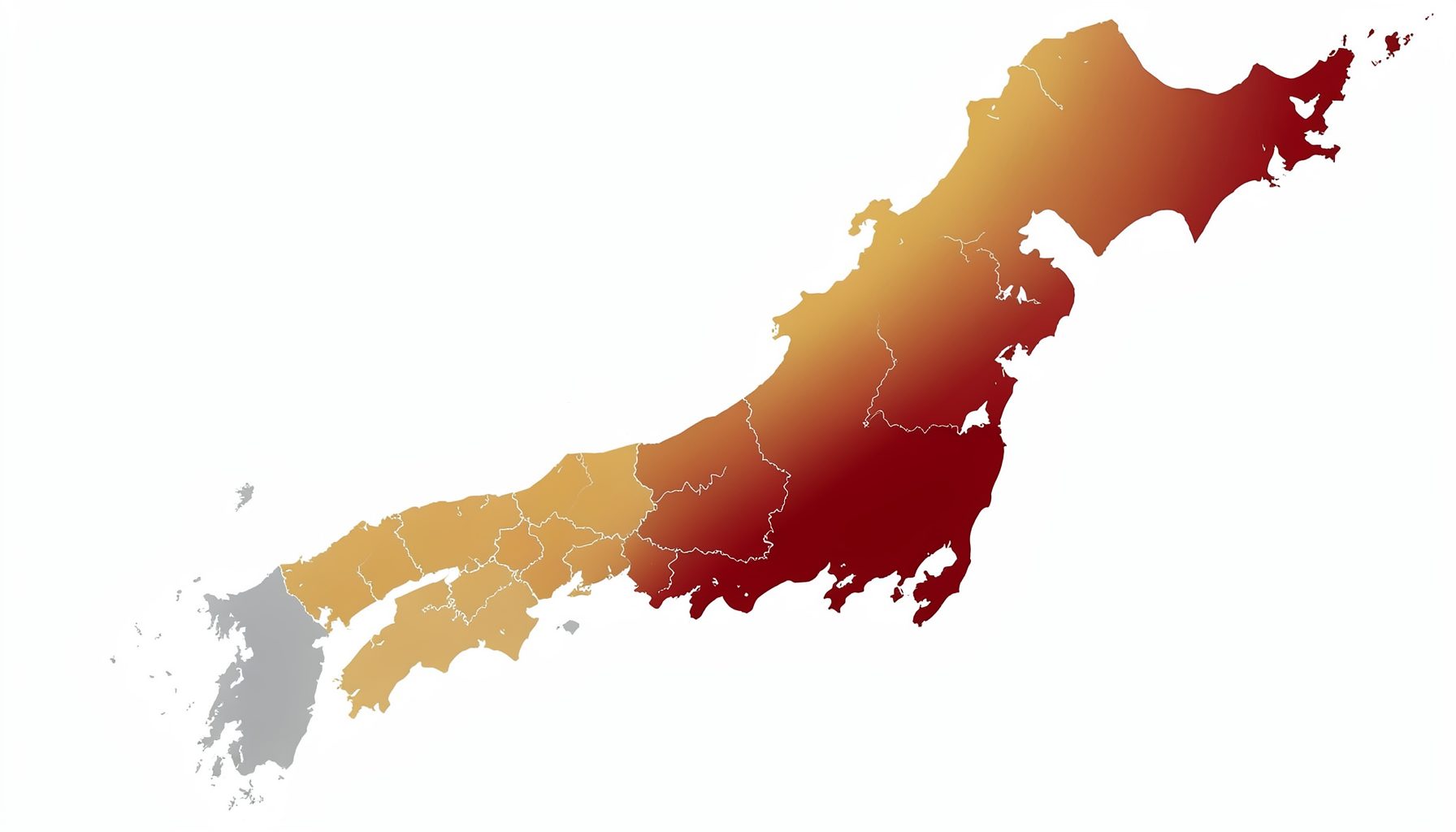
Japan demonstrates how a multi-channel system can shorten the interval between symptoms and investigation. Information from clinics, hospitals, ambulance services, pharmacies, schools, elderly-care facilities and laboratories is integrated within a national early-warning framework. School absenteeism and pharmacy surveillance can provide timely context while a pathogen test is still pending.
The site's data governance advice supports minimum-necessary collection, clear purpose and restricted access. Source limitations must also be considered: pharmacy sales may reflect stock shortages rather than illness, ambulance data may be delayed, and school absences can reflect unrelated family circumstances. Triangulation increases confidence without treating weak signals as proof.
Acting quickly without creating harm
Privacy and occupational confidentiality are essential. Follow the Privacy Act 1988, applicable state and territory privacy laws, employment agreements and any health-records requirements. Use aggregated counts wherever possible, suppress small cells and prevent illness information from entering punitive attendance management. School and contractor responsibilities should be set out clearly before data sharing begins.
When a credible cluster appears, contact the canteen operator, food-safety coordinator and relevant public-health authority without delaying necessary precautions. Symptomatic food handlers should stop work, and return-to-work requirements should follow current state guidance and the suspected pathogen. Preserve meal records and available food samples for investigation, while checking suppliers, preparation times, temperature control and cleaning routines.
Communication should be calm and specific. Staff should know which symptoms and work restrictions apply, families may need advice if a shared product is implicated, and health authorities need a clear timeline. Avoid naming affected workers or implying that the school has confirmed a source. A proportionate response protects people while preserving trust and the quality of future reporting.
Lessons from Japan’s connected surveillance
Japan’s school health system can connect absence information with broader clinical, pharmacy and laboratory data. Because many pupils eat lunches prepared through organised school-meal services, changes in food-handler availability can be interpreted alongside school and community illness patterns. The strength of the model lies in timely sharing and agreed thresholds, rather than in any single dataset.
Japan also increases monitoring during major international events, when visitor flows and short-term outbreaks can place additional pressure on local services. A cross-sector example of monitoring around a bounded, high-attendance activity is available through the site's event monitoring resource. The transferable lesson is to define the period, select indicators in advance and increase reporting capacity when conditions change.
Australia should adapt these ideas rather than copy them directly. Local canteen arrangements differ from Japanese school-meal systems, and health responsibilities are distributed among states, territories and local councils. Nevertheless, linked reporting, pre-agreed escalation pathways and event-based intensification remain relevant during outbreaks, extreme weather and major gatherings involving schools.
Making the system work across Australia
Implementation must fit Australian operating structures. State and territory health authorities lead public-health response, while schools, local councils and canteen contractors may hold different records. Contract agreements should specify who collects absence data, who may access it and how findings reach environmental-health teams. Common definitions are needed for national comparison, but thresholds should reflect local staffing levels.
Workforce patterns and geography also matter. In Sydney, Melbourne, Brisbane and other large cities, turnover among casual food workers and split-shift teams can complicate follow-up. In regional and remote communities, including parts of Northern Australia, travel disruptions and long supply chains can affect both symptoms and the ability to obtain replacement cover. Aboriginal community-controlled health services should guide culturally safe data governance, with local leadership determining how information is collected and shared.
Start small, then evaluate the indicator. Review baseline performance, false alerts, time to follow-up and agreement with laboratory or epidemiological findings. Record whether alerts led to useful inspections, symptom-exclusion advice, supply checks or simply reassurance. Schools with consistently low incidence can retain a basic monthly return, while larger campuses may justify automated daily reporting.
Use the indicator in the next school term by appointing one data owner, agreeing on a baseline and establishing a direct route to the relevant public-health unit. Share only the information needed for action, protect staff privacy and brief kitchen teams on why early, accurate reporting matters. A single absence may be a staffing event; a timely pattern across the kitchen roster can be the warning that protects the next school meal.