





Monitoring Post-Surgical Infection Through Emergency Department Signals
Post-surgical infections can develop after a patient has left hospital, when routine ward-based observation has ended. A new fever, increasing wound redness, swelling, discharge or escalating pain may first appear in a general practitioner’s clinic, an after-hours service, a pharmacy conversation or an emergency department. Tracking these encounters can give public-health teams an early indication that a procedure, facility or care pathway needs review.
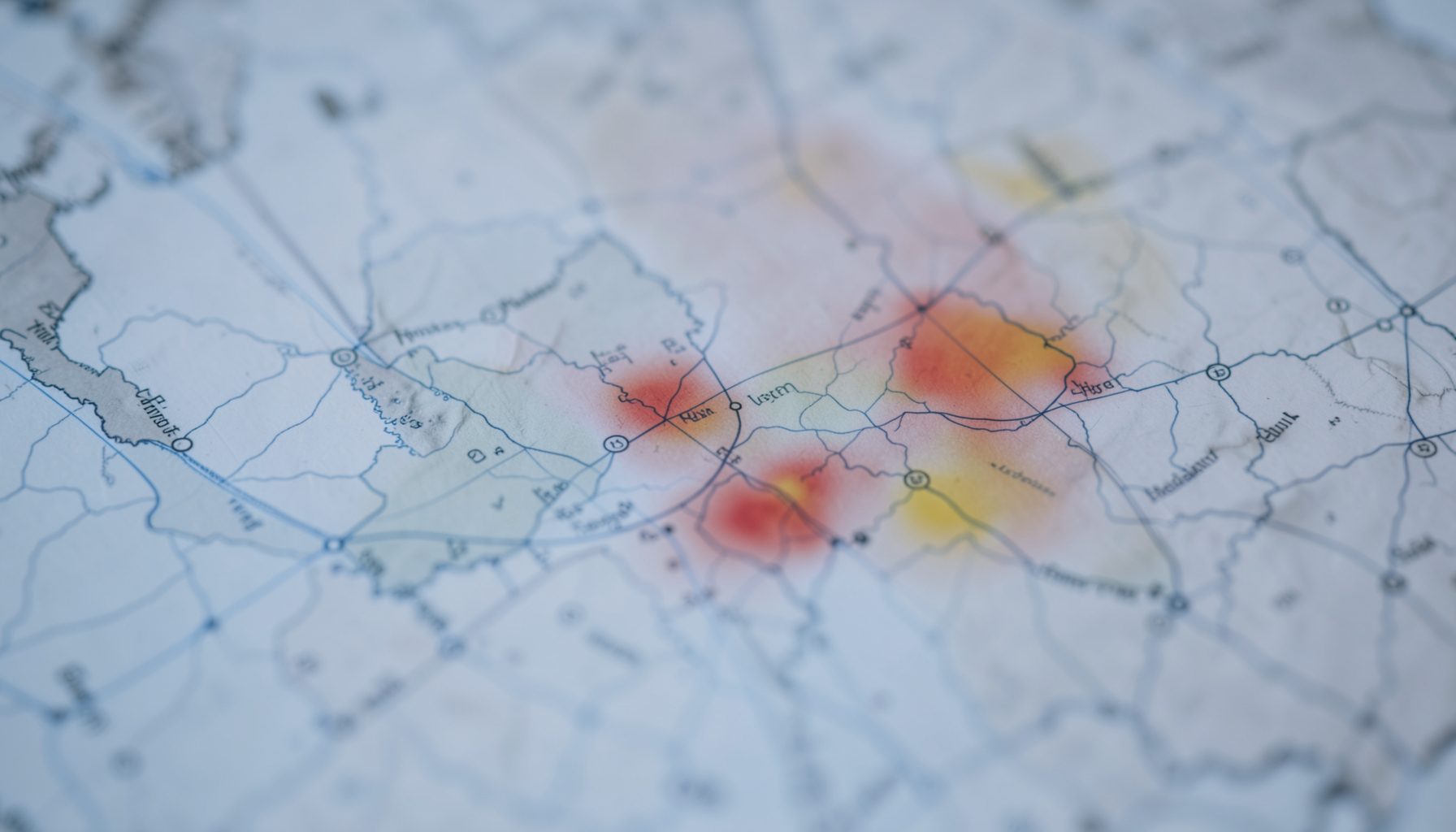
Emergency department visits are especially useful because they capture patients who require urgent assessment, regardless of which hospital performed the operation. A cluster of wound-related presentations among recently discharged patients may emerge before culture results, formal notifications or retrospective surgical audits are available. This makes the approach compatible with the broader principles of syndromic surveillance, where patterns of symptoms and healthcare use are monitored before a confirmed diagnosis is recorded.
For Australian health services, the method can support monitoring across metropolitan hospitals in Sydney, Melbourne, Brisbane, Perth and Adelaide, as well as regional centres serving large rural catchments. Patients may travel between public hospitals, private facilities, urgent-care clinics and general practices, so an emergency department signal can provide a valuable common point for analysis. Long distances in Western Australia, Queensland and the Northern Territory also make timely electronic detection important when follow-up is difficult.
The purpose is not to label every red wound as an infection. Post-operative inflammation, allergic reactions, seromas and normal healing can produce similar symptoms. The value lies in identifying unusual combinations of timing, symptoms, procedure type, facility, location and patient characteristics that warrant clinical validation and a faster response.
Defining The Post-Discharge Signal
A practical monitoring definition should identify emergency department presentations occurring within a specified period after surgery, such as 30 days for many procedures or a longer window for implants and complex operations. The definition can include terms such as wound redness, wound drainage, fever, chills, cellulitis, surgical-site infection, dehiscence, abscess and post-operative complication. Triage notes, presenting complaints and provisional diagnoses may be more useful initially than a final coded diagnosis.
The system should distinguish patients who were discharged after an operation from those who have merely undergone a minor procedure in an outpatient setting. Useful fields include the date and type of surgery, operating facility, discharge date, patient age, residential area, emergency department arrival time, symptoms, admission outcome and any return to theatre. Where direct linkage is unavailable, probabilistic matching or a carefully designed post-discharge flag may provide an interim solution.
Timing is central to interpretation. A presentation two days after discharge may represent a complication acquired during the index admission, while a presentation several weeks later may relate to community exposure, wound care, delayed healing or a device-associated infection. The surveillance rule should retain the interval between surgery and emergency attendance rather than treating all post-operative encounters as equivalent.
Combining Emergency Data With Other Channels
Emergency department records are strongest when combined with other healthcare signals. Ambulance call-outs, inpatient readmissions, pathology orders, antibiotic dispensing, hospital microbiology, general-practice referrals and after-hours consultations can help show whether a rise is local, facility-specific or part of a wider seasonal pattern. Pharmacy data may reveal increased demand for oral antibiotics or dressings, although dispensing alone cannot establish that an infection is present.
Australian hospitals can also compare emergency presentations with state-based communicable disease reporting and local infection-prevention records. The Australian National Notifiable Diseases Surveillance System does not capture every surgical-site infection, so a syndromic layer can fill an important gap between routine hospital review and formal notification. A multidisciplinary team should assess whether a signal corresponds with culture results, theatre records, bed movements or a change in clinical practice.
Other forms of absenteeism and community activity may help explain background illness. For example, a hospital serving families could review school absence data when fever presentations rise across the community, helping distinguish a general viral surge from a concentrated post-surgical pattern. This comparison is supportive rather than diagnostic: respiratory infections circulating in a school or workplace should not be mistaken for wound infection.
Building A Useful Case Definition
A high-sensitivity rule might initially capture any emergency visit within 30 days of discharge where the record contains fever or a wound-related term. A more specific rule could require two or more indicators, such as redness plus pain, fever plus drainage, or cellulitis plus recent surgery. Teams can maintain separate alert tiers so that a broad screening signal prompts review, while a narrower signal triggers escalation.
Natural-language processing can identify relevant terms in triage narratives, but local language matters. Australian clinicians may record “hot wound,” “oozing,” “red around staples,” “infected incision,” “wound breakdown” or “query SSI” rather than using the same formal phrase. Algorithms should be tested against local documentation and reviewed for differences between public emergency departments, private hospitals and regional services.
The signal should account for expected variation. Emergency attendance can rise during school holidays, heatwaves, major sporting events, ambulance diversion periods or changes in after-hours access. A baseline built from several years of data can compare current activity with the usual level for the same weekday, season, hospital and procedure group. Statistical thresholds should be calibrated so that small rural facilities are not overlooked simply because their numbers are low.
A useful alert may be based on a sustained percentage increase, an unusual rate per 100 procedures, or several linked cases sharing a surgeon, ward, device, theatre or discharge date. Counts should be paired with denominators wherever possible. Ten wound-related visits may be concerning in a small surgical unit but unremarkable in a large tertiary hospital performing thousands of procedures.
Linking Patients Across Care Settings
Reliable linkage is often the hardest technical issue. A patient may be discharged from a private hospital, present to a public emergency department and later receive antibiotics from a community pharmacy. Medicare information, local hospital identifiers and My Health Record may be held in different systems, with varying levels of completeness and access. Surveillance teams should use the minimum data needed and document how records are matched.
Privacy and governance must be designed from the beginning. The Privacy Act 1988, state and territory health-record requirements, hospital policies and information-sharing agreements may all apply. Data access should be restricted by role, audit trails should be maintained, and reports should avoid identifying individuals when aggregated results are sufficient. Small-cell suppression is particularly important in remote communities, where a handful of cases can make people recognisable.
The system also needs a clear distinction between surveillance and direct clinical care. An alert may identify a pattern for infection-control staff, but it should not delay treatment or replace the treating clinician’s judgement. If a patient has current fever, spreading redness, severe pain, confusion or other warning signs, the emergency team must assess that person according to ordinary clinical protocols rather than waiting for a surveillance investigation.
Responding To An Emerging Cluster
Once an alert passes its review threshold, an infection-prevention practitioner can examine the individual records and confirm whether the presentations meet the working definition. The review may include wound photographs where consent and policy permit, microbiology results, antibiotic choices, procedure details, theatre ventilation records, sterilisation logs and postoperative instructions. A cluster can then be classified as confirmed, probable, possible or unrelated.
Response actions depend on the pattern. A group of cases linked to one ward may prompt a review of hand hygiene, dressing technique, environmental cleaning and staff illness. Cases involving a particular implant, suture or instrument may require device tracking and communication with procurement teams. A rise after discharge from several hospitals in one region may indicate a shared community factor, access issue or coding change rather than a single facility failure.
Communication should be prompt, factual and proportionate. Surgeons, emergency clinicians, hospital executives, public-health authorities and affected patients may need different levels of detail. Public statements should avoid creating unnecessary alarm while explaining when patients should seek care. Clear language is especially important for people managing a wound at home without a district nurse or nearby specialist service.
Making Alerts Clinically Actionable
An alert should arrive with enough context to support a decision. A concise dashboard might show the number of relevant visits, rate per 100 procedures, median days since discharge, symptoms recorded, admission rate, cultures collected and comparison with the baseline. Filters by hospital, procedure, age group, postcode, surgeon or discharge date can help investigators find common links without exposing unnecessary personal details.
Interfaces should work for busy Australian clinical teams using different devices and network conditions. A rural infection-control nurse may review a dashboard from a regional hospital, while a state health analyst monitors multiple sites from a central office. Simple colour coding, downloadable line lists and clear definitions are often more useful than a visually complex display. A tiered access model, similar in principle to the way a tiered welcome package presents different levels of information, can help match detail to each user’s role without giving every viewer unrestricted patient data.
Every alert should have an outcome recorded. The team can note whether cases were verified, whether cultures identified a common organism, whether practice changed and whether the signal resolved. This feedback improves the algorithm, reveals false positives and supports accountability when the system is reviewed by hospital committees or state health authorities.
Evaluating Performance And Equity
Evaluation should measure sensitivity, specificity, positive predictive value, timeliness and workload. A system that detects every possible wound problem may overwhelm infection-control staff, while a highly specific rule may miss early cases. Comparing surveillance alerts with medical-record audits, readmissions, reoperations and confirmed surgical-site infections provides a realistic assessment of performance.
Equity should be examined alongside technical accuracy. Aboriginal and Torres Strait Islander patients, people living in remote areas, older adults, people with diabetes and patients without stable transport may use emergency departments differently from metropolitan populations. A rise in presentations could reflect barriers to primary-care follow-up rather than a higher infection rate. Analysts should interpret postcode, language, socioeconomic and access patterns carefully and involve local services in response planning.
Monitoring should also account for changes in healthcare behaviour. Telehealth, urgent-care expansion, private emergency departments and revised discharge pathways can shift where patients seek help. Seasonal conditions such as extreme heat may affect wound care and travel, while public holidays can alter access to general practice. Routine review keeps the indicator relevant as Australia’s health system and population needs change.
The strongest programme connects detection to prevention. Findings can improve discharge instructions, nurse follow-up, wound-review appointments, antibiotic stewardship, surgical technique and communication between hospitals and community clinicians. Emergency department data then becomes more than a retrospective count: it becomes an early-warning layer that supports safer recovery after surgery.
Health services can begin with a small, transparent pilot covering one or two procedure groups and a defined post-discharge period. Establish the case definition, agree on governance, test data quality, review alerts with clinicians and measure whether the information changes response time. Expand only after the process is trusted and its limitations are understood.
A coordinated approach across hospitals, emergency departments, laboratories, pharmacies, ambulance services and public-health teams can identify post-surgical infection patterns before they become larger outbreaks. Build the monitoring pathway around timely signals, careful validation and patient-centred action so that every unusual cluster leads to a faster, better-informed response.