





Monitoring pneumonia admissions for early respiratory warning
Monitoring hospital admission for pneumonia with no confirmed pathogen to signal emerging respiratory threats turns routine clinical records into an early-warning capability. It focuses on the illness being treated rather than waiting for every organism to be identified, potentially shortening the interval between the first unusual cluster and a coordinated public-health response.
Syndromic surveillance groups symptoms and clinical diagnoses into syndromes, then tracks changes in their frequency, location and affected groups. A rise in pneumonia admissions without laboratory confirmation can prompt investigation before a pathogen-specific alert is issued. Such a signal is a reason to look more closely, not proof that a novel infection is spreading.
Australia already has strong laboratory, notifiable-disease and public-health networks. The opportunity is to connect them with earlier clinical indicators, particularly admissions, ambulance attendances, pharmacy sales, school absences and respiratory illness in aged-care facilities. A national framework must accommodate public and private providers, state borders, privacy requirements and substantial differences between metropolitan, regional and tropical communities.
Why unconfirmed pneumonia signals matter
Pneumonia is a clinical syndrome rather than a single disease. It can be caused by influenza, SARS-CoV-2, respiratory syncytial virus, pneumococcus, Legionella, Mycoplasma and other organisms, as well as aspiration or non-infectious conditions. When several respiratory pathogens circulate simultaneously, laboratory results may not identify a common cause quickly enough.
Pathogen-free admissions can therefore provide a valuable early indicator. A sustained increase may reveal an emerging organism before routine testing confirms it, particularly when the affected population differs from usual seasonal patterns. Clusters among children, older people, hospitalised patients or people with occupational exposure deserve closer attention.
These admissions should be interpreted alongside other indicators. The most concerning pattern would combine increasing emergency department attendance, elevated school absenteeism, more respiratory prescriptions and an unusual age or geographic distribution. Stable testing capacity with fewer confirmed pathogens can also be informative, while rising admissions may simply reflect delayed coding, a change in admission practice or disrupted laboratory access.
Turning admissions into actionable intelligence
A surveillance definition needs to distinguish several categories: patients with pneumonia and a confirmed organism, those clinically diagnosed but not tested, those awaiting results and those whose tests found no pathogen. Combining these groups into one measure could produce misleading rises. Standardised diagnosis codes, imaging findings, specimen dates and pathogen-status fields are essential.
Each indicator also needs a local baseline. Expected pneumonia admissions vary with season, population age, vaccination coverage, influenza activity and the number of facilities reporting. Analysts can compare current counts with previous weeks and years, then use statistical thresholds to flag both relative increases and clusters in small locations where random variation is more likely to distort comparisons.
A credible signal should move through defined tiers. A low-level alert might increase data review, while a sustained, geographically concentrated rise could trigger case investigation, specimen collection and communication with clinicians. Thresholds should be tested against historical outbreaks and false alarms, then adjusted as reporting improves. This prevents every small fluctuation from consuming emergency resources.
Lessons from Japan's connected surveillance
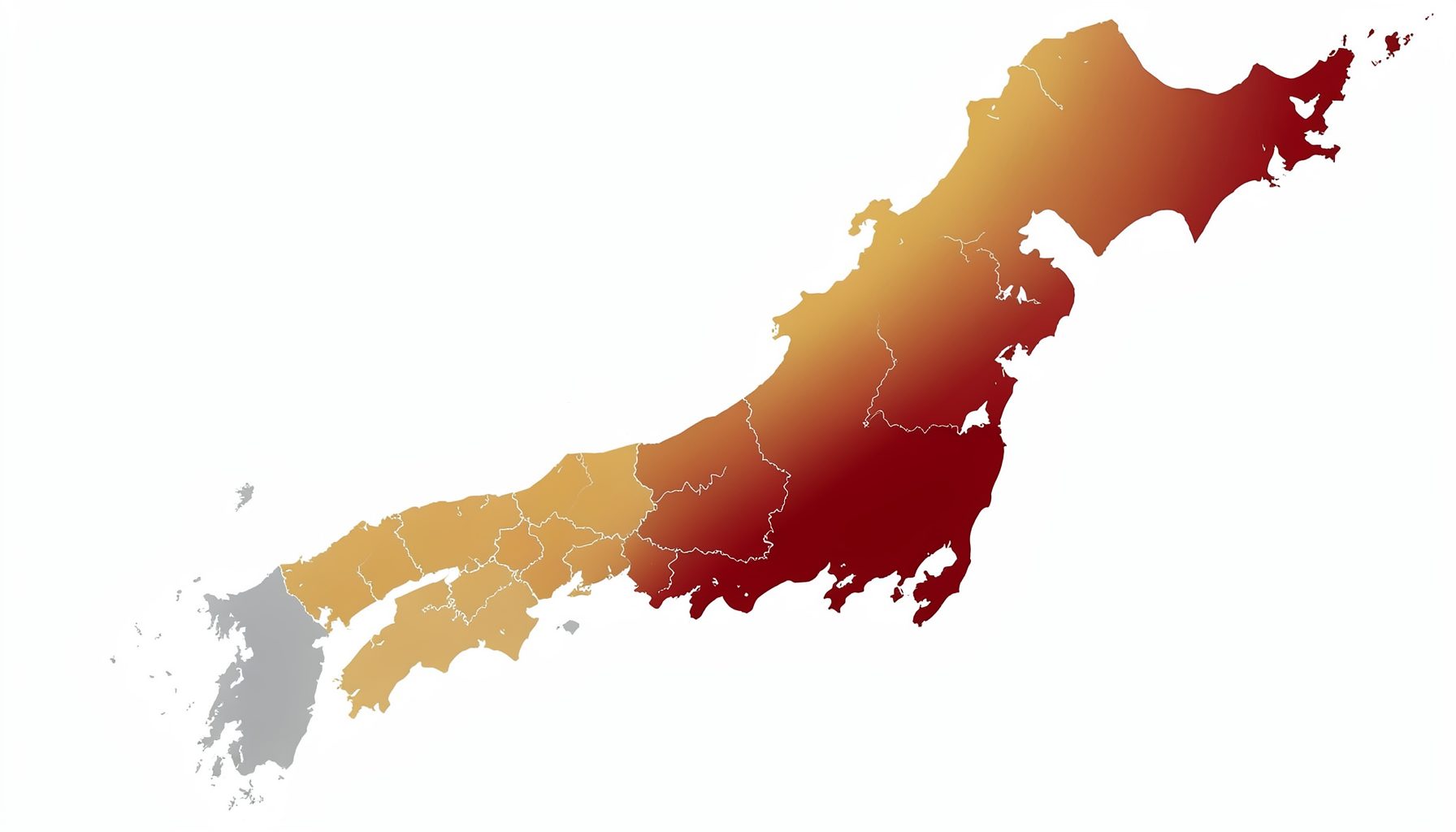
Japan demonstrates how a national network can combine information from clinics, hospitals, ambulances, pharmacies, schools, elderly-care facilities and laboratories. The syndromic surveillance overview illustrates why multiple channels matter: each source captures a different stage of illness, from community symptoms to hospital treatment and laboratory confirmation.
School absenteeism can expose respiratory outbreaks before enough patients visit a hospital, while ambulance and pharmacy data can show changes in community-level demand. Information from elderly-care facilities is particularly important because outbreaks in older populations may spread quickly and cause severe disease. Laboratory data then helps determine whether a broad syndromic rise has a known cause or requires further investigation.
Japan has also strengthened monitoring around major international gatherings, including the Tokyo Olympic and Paralympic period. Enhanced activity focused on healthcare capacity, unusual syndromes and rapid information exchange. For Australia, temporary increases in sensitivity could similarly support major events, mass gatherings and periods of heavy international travel, provided normal surveillance continues and alert thresholds remain clear.
Designing an Australian surveillance network
Australia’s federated health system creates both a challenge and an opportunity. Major metropolitan hospitals in Sydney, Melbourne, Brisbane and Perth may use different clinical systems, while private pathology laboratories, community pharmacies and aged-care providers sit outside public-health reporting structures. A scalable network should use common definitions and secure interfaces rather than assume that every jurisdiction collects identical data.
Everyday movement affects the signal baseline. Australian cities have extensive public transport, schools operate by term calendars, and winter encourages more indoor mixing. School holidays can temporarily reduce absenteeism, while term-time respiratory activity may rise sharply. Monitoring should account for these patterns so that changes in social behaviour are not mistaken for changes in disease transmission.
Northern Australia requires additional nuance. Brisbane’s subtropical seasons and the distinct monsoonal pattern of northern Queensland can produce timing and pathogen patterns that differ from southern cities. Remote communities also face testing delays and smaller numbers of admissions. A modest increase may be more significant there, while one large metropolitan hospital can contribute most of a state’s count. Stratification by region, age and facility is therefore indispensable.
Community pharmacies offer another accessible channel for early intelligence. Changes in prescriptions for antivirals, antipyretics and respiratory medicines may precede hospital activity, although retail sales are influenced by stock levels, promotions and prescribing behaviour. The fragmented pharmacy market, including large chains, independents and the Pharmaceutical Benefits Scheme, makes timely, privacy-preserving data exchange valuable but technically demanding.
Governance, privacy and public trust
Surveillance data should be collected for a defined public-health purpose, with access limited by role and need. Australia’s Privacy Act 1988 and the Australian Privacy Principles provide the national framework, while state and territory laws, including Victorian and New South Wales health-records legislation, add local requirements. My Health Records Act 2012 also matters where information is obtained through digital health records.
Public-health exemptions and notifiable-disease powers may permit appropriate use of information, but they do not remove the need for sound governance. Data should be minimised, de-identified where possible and retained only as long as required. Detailed responsible data use guidance should accompany agreements covering permitted uses, security breaches, onward disclosure and deletion.
Transparency is equally important. Public-health agencies should explain which data are collected, how signals are generated, which alert tiers trigger action and how false alarms are reviewed. Publishing aggregate findings can demonstrate that surveillance is working without exposing patients or enabling commercial use. Clinicians and aged-care providers are more likely to participate when they understand how information contributes to safety rather than punishment or unnecessary disruption.
From early signal to coordinated response
Once an unusual rise is detected, the first task is validation. Analysts should check completeness, coding changes, testing delays, duplicate records and shifts in emergency department demand. They can then examine age, location, symptom profile, vaccination status and exposure information to determine whether the pattern resembles seasonal illness.
If the signal persists, laboratories should prioritise appropriate specimen collection and sequencing, while clinicians receive concise guidance on testing and infection prevention. Public communication should state what is known, what remains uncertain and what actions are being taken. Messaging based on verified evidence reduces both public alarm and the risk that an unconfirmed outbreak is presented as established fact.
Coordination should be rehearsed before a major event. Public-health units, hospitals, pathology networks, pharmacies, schools and aged-care commissioners need agreed contacts, data-sharing pathways and decision thresholds. The goal is not to issue an alert for every increase, but to ensure that a credible signal receives the right response within hours rather than days.
A practical framework for respiratory surveillance
A workable Australian system can begin with a clearly defined pneumonia-admission indicator, including explicit recording of whether a pathogen has been confirmed, tested, awaited or excluded. Reporting should be automated where possible, with data quality checks and regular audits. Baselines need to reflect seasonality, local demographics and reporting completeness.
Coordination can then connect the indicator to laboratory, pharmacy, ambulance, school and aged-care information without merging every dataset into one database. This preserves analytical flexibility while allowing teams to compare independent signals. A national steering group should set common definitions, but participating jurisdictions should retain the ability to adapt thresholds to local conditions.
- Define a standard pneumonia-admission syndrome and distinguish untested, pending and pathogen-negative cases.
- Establish seasonal and age-specific baselines for each participating hospital and geographic region.
- Integrate laboratory, ambulance, pharmacy, school and aged-care indicators through governed access arrangements.
- Use multi-source corroboration and sustained thresholds before escalating unusual pneumonia clusters.
- Assign clear alert tiers, named response owners and timeframes for investigation and communication.
- Publish periodic surveillance performance, signal reviews and privacy safeguards in accessible reports.
Act now by supporting a cross-jurisdictional pilot that links hospital pneumonia admissions with laboratory and community indicators, then evaluate its ability to detect respiratory anomalies earlier. Early warning works when hospitals, laboratories, pharmacies, schools, aged-care providers and public-health teams move together with a clear purpose: recognise the unusual, investigate the credible and protect the community before preventable harm spreads.