





Monitoring hand, foot and mouth disease with early signals
Hand, foot and mouth disease is usually recognized through its characteristic clinical pattern: fever, mouth sores, and a rash or small blisters on the hands and feet. It mainly affects young children, spreads efficiently in schools and childcare settings, and often follows seasonal waves. By the time laboratory results are available, many families may already have changed their routines and several classrooms may be affected.
Syndromic surveillance helps public-health teams detect these changes earlier. Instead of waiting for every case to receive laboratory confirmation, monitoring can combine clinic visits, school absence records, pharmacy activity, emergency calls, and other signals. Each source is incomplete by itself, but together they can reveal a meaningful change in community illness.
The syndromic surveillance resource provides a useful framework for understanding how these streams support early warning in Japan. For hand, foot and mouth disease, the central task is to connect clinical activity with changes in attendance while allowing for seasonal patterns, reporting delays, and differences in access to care.
Why early signals matter
Hand, foot and mouth disease is often mild, and many children recover without hospitalization. That makes it difficult to measure its true incidence through severe-case reporting alone. A rise in hospital admissions may occur only after transmission has already increased across families, nurseries, and schools.
Clinic data can show that more children are presenting with fever, oral ulcers, or characteristic skin lesions. School absence data can reveal that several children from the same area are staying home at the same time. When both signals move upward together, health authorities have an earlier indication that transmission may be expanding.
Early detection supports proportionate action. Schools can reinforce hand hygiene, improve cleaning of shared objects, communicate with families, and remind caregivers about staying home while a child is unwell. Public-health officials can also watch nearby districts more closely rather than waiting for a larger outbreak to become obvious.
What clinic surveillance reveals
Clinics provide a direct view of people seeking medical attention. Depending on the reporting system, records may include a clinical diagnosis, symptom group, age range, geographic area, date of consultation, or reason for the visit. A rise in visits associated with fever and rash among preschool and primary-school children may be an important early indicator.
The strength of clinical surveillance is its connection to examination. Clinicians can distinguish a likely hand, foot and mouth disease presentation from other causes of fever, rash, or mouth inflammation. They may also identify unusual severity, complications, or age groups that are not typical for the current season.
However, clinic signals are shaped by healthcare-seeking behavior. Families may visit a pediatrician for a mild illness in one community but use a hospital outpatient department in another. Holidays, weather, clinic closures, insurance arrangements, and public concern can all change attendance. A monitoring system should therefore assess trends over time and compare several facilities or areas instead of treating one day of visits as a definitive outbreak measure.
Clinical information can also be organized into syndromic categories before confirmation is available. This makes the system faster, although it requires careful interpretation. A symptom-based alert should trigger review and additional investigation, not be treated as proof that every recorded patient has the same infection.
How school absence adds context
Attendance records capture illness at the place where many childhood infections spread. A school may notice a rising number of children absent with fever, mouth symptoms, rash, or an unspecified infectious condition before families seek care or before a formal notification reaches a health office. Daily absence data can therefore add speed and local detail to clinic-based monitoring.
The value of absence surveillance increases when records include the date, school, age group, class, and reason for absence where appropriate. A sudden cluster in one class may have a different meaning from a gradual increase distributed across many schools. Linking absence patterns with local clinic activity can help distinguish a school-specific event from wider community transmission.
Absence data also has limitations. Children may stay home because of family circumstances, transport problems, routine appointments, or concern about exposure rather than confirmed illness. Schools may record reasons differently, and reporting completeness can vary during weekends, examinations, holidays, or severe weather. Privacy safeguards are essential because small schools and narrow geographic areas can make individuals identifiable even when names are removed.
For these reasons, school attendance should be interpreted as a population signal rather than a case register. A rise in absences can justify closer observation, communication, or targeted prevention measures, but it should be assessed alongside clinical symptoms, laboratory findings, and other relevant information.
Comparing the main surveillance signals
No single data stream can describe hand, foot and mouth disease adequately. Clinic records provide clinical detail, while school absences may identify transmission earlier in a particular setting. Laboratory testing can confirm the pathogen, but it generally covers a smaller and slower-moving portion of the overall illness picture.
| Signal source | What it can show | Main advantage | Important limitation |
|---|---|---|---|
| Pediatric and primary-care clinics | Visits for fever, mouth ulcers, rash, or suspected disease | Clinical context and age information | Depends on healthcare-seeking and reporting |
| School absence records | Clusters of children missing school | Local and timely indication of disruption | Absence does not always mean confirmed infection |
| Hospital records | Severe symptoms, complications, or unusual presentations | Helps assess clinical seriousness | Misses most mild community cases |
| Laboratory testing | Confirmed pathogen and circulating types | Specific confirmation | Turnaround time and limited test coverage |
| Pharmacy activity | Purchases related to fever or symptomatic care | May detect demand across a wider population | Products have many possible uses |
| Ambulance or urgent-care data | Acute deterioration or urgent demand | Highlights severe or unexpected events | Not sensitive to routine mild illness |
The most useful approach is a multi-channel view. For example, increased school absences followed by higher pediatric clinic attendance may indicate a developing wave. Increased absences without a corresponding clinical rise may reflect a recording change, a local school issue, or a different cause of absenteeism. Reviewing the streams together reduces the risk of overreacting to a misleading isolated signal.
Reading seasonal and geographic patterns
Hand, foot and mouth disease commonly shows seasonal variation, but the timing and size of waves can differ from year to year. A monitoring team should compare current activity with historical baselines for the same weeks, age groups, and reporting areas. A level that is normal during a seasonal peak may be unusual at another time of year.
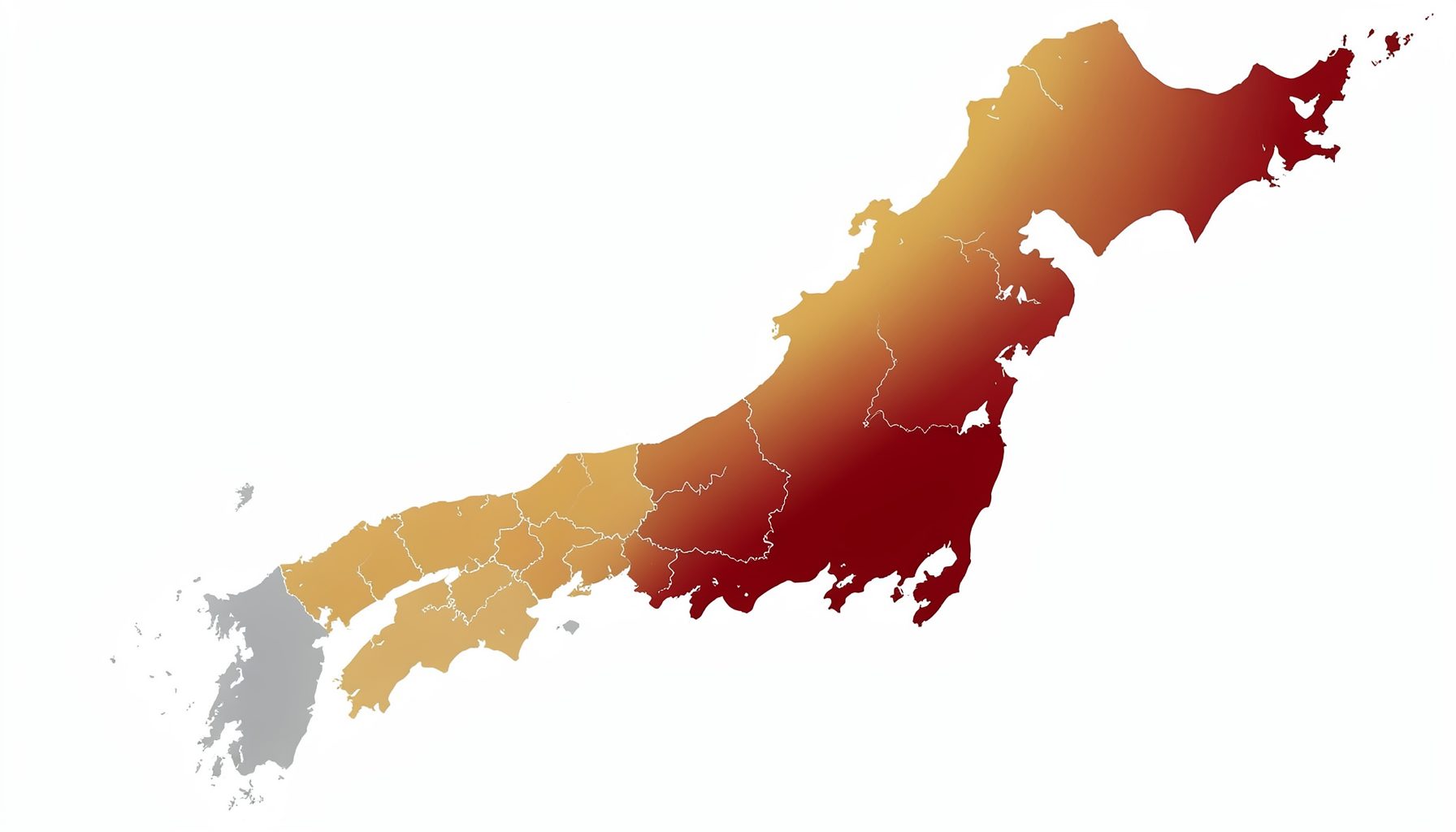
Geographic comparisons are equally important. One city may report more cases because it has better clinic participation, a larger pediatric population, or more complete school reporting. Rates, reporting coverage, and population structure should be considered before comparing districts. Mapping signals can help identify concentrations, but small numbers should be handled carefully to avoid presenting random variation as a meaningful cluster.
Analysts should also watch for changes in the pattern of symptoms. A rise in severe illness, adult cases, neurological symptoms, dehydration, or prolonged fever may require a different response from a routine increase in mild childhood disease. Laboratory sampling can then help determine whether a known seasonal pathogen is circulating or whether another infection is producing a similar syndrome.
Japan’s surveillance environment illustrates the value of combining data from clinics, hospitals, schools, pharmacies, elderly-care facilities, ambulances, and laboratories. During major international events, enhanced monitoring may be used to detect unusual health activity quickly. The same principle can strengthen routine observation of pediatric infections without implying that every fluctuation represents an emergency.
From detection to public-health action
An alert should begin a structured assessment. Teams can verify whether reporting coverage changed, check whether schools or clinics experienced closures, review the age distribution, and compare neighboring areas. They can then examine laboratory results and seek information from local health centers before issuing broader messages.
Communication should be practical and consistent. Families need clear advice about symptoms, hydration, handwashing, cleaning frequently touched surfaces, and keeping children home according to local health guidance. Schools need procedures for recording absences, protecting privacy, notifying relevant authorities, and responding to clusters without stigmatizing individual children or families.
Data governance is part of effective surveillance. Authorities should define who can access records, how long information is retained, which geographic detail is necessary, and when aggregated results can be shared. The data-use guidance explains why responsible handling matters when health and education data are combined for monitoring.
A response should also include feedback. If a school reports an unusual absence cluster, the health team should be able to explain what was found and whether further action is needed. Feedback encourages timely reporting and helps schools and clinics understand how their contributions support outbreak preparedness.
Practical steps for monitoring teams
A reliable monitoring program can be built around a small set of repeatable practices:
- Define a consistent symptom and absence classification for fever, oral lesions, rash, suspected hand, foot and mouth disease, and other relevant syndromes.
- Establish daily or weekly reporting routines with clear deadlines and named contacts in clinics, schools, and local health offices.
- Compare current counts with historical seasonal baselines while adjusting for holidays, school calendars, closures, and changes in participation.
- Review clinic, school, laboratory, pharmacy, and hospital signals together before escalating an alert.
- Apply aggregation, access controls, and minimum reporting thresholds to protect children and families from identification.
These steps make surveillance more useful without requiring every record to contain extensive personal information. Standard definitions improve comparability, while simple visual dashboards can show trends by date, age group, and area. Analysts should record changes in data quality as carefully as they record changes in disease activity.
The goal is a graduated response. A small increase may call for verification and closer observation. A sustained rise across several channels may justify targeted communication and infection-control reminders. Evidence of severe illness, unusual age distribution, or rapid geographic spread may require laboratory investigation and coordination with regional or national public-health authorities.
Making the system useful for communities
Monitoring works best when it supports decisions that schools, clinicians, families, and health departments can understand. Technical indicators should be translated into plain language, with uncertainty stated clearly. An early warning is valuable because it creates time to investigate and prepare, not because it provides an instant final diagnosis.
Clinic and school absence data can also reveal gaps in access or reporting. If a district shows unusually low clinic activity but high absenteeism, the difference may reflect barriers to care rather than low transmission. If one school reports consistently while neighboring schools do not, the issue may be data completeness. These discrepancies are signals to investigate, not reasons to dismiss the system.
The approach can be strengthened gradually through training, shared definitions, secure digital reporting, and regular evaluation. Measures of success might include how quickly unusual activity is detected, how often alerts are verified, whether reporting remains complete during holidays, and whether public-health action occurs before severe spread.
For questions about applying these principles to a surveillance program, contact the contact team. Timely collaboration between schools, clinics, laboratories, and public-health authorities can turn scattered signs of childhood illness into a clearer picture—and give communities more time to respond safely.