





Cough and breathlessness signals from young adult vaping
Syndromic surveillance tracks symptom patterns before a pathogen or harmful exposure has been laboratory-confirmed. It can reveal an unusual rise in cough or breathing difficulty, direct attention to affected locations, and support earlier investigation. Monitoring electronic cigarette related lung injury using cough and shortness of breath reports in young adults is therefore a practical early-warning task, but the reports are signals rather than diagnoses. A surge can justify action without proving that vaping caused every illness.
The method is most effective when it joins many small views of illness. A pharmacy may record a request for cough medicine, a GP may see shortness of breath, an ambulance may respond to breathing difficulty, and a hospital may admit patients with respiratory symptoms. Read together, these reports can expose a cluster that any single source would miss. The analysis must preserve age, time, postcode and the type of encounter while removing names and other direct identifiers before pooled results are shared.
Why cough and breathlessness matter
Respiratory illness linked to e-cigarette or vaping product use can include cough, shortness of breath, chest discomfort, fatigue, fever and, in some cases, gastrointestinal symptoms. The US label EVALI refers to e-cigarette or vaping product use-associated lung injury and relies on clinical investigation alongside the exclusion of other causes. Australian teams should use the label carefully because there is no single biomarker that confirms vaping-related injury. Imaging, oxygen saturation, laboratory tests and a detailed exposure history all help clinicians determine whether a case fits.
No symptom report should be counted as a confirmed case. Cough is common after viral infection, smoke exposure or asthma, while breathlessness has many causes. The value of syndromic surveillance lies in detecting departures from normal: a cluster concentrated among people in their late teens and twenties, appearing near a university, product launch or festival, or growing faster than expected across several postcodes. Analysts compare those patterns with seasonal baselines and ask clinicians whether severity, timing and product history support a shared clinical picture.
Turning reports into an early-warning signal
A useful surveillance feed turns free-form encounters into consistent fields. Each event should include a broad age band, date and time, postcode or statistical area, encounter type, principal symptoms and symptom onset. Where clinical workflow and consent allow, it should also record vaping or nicotine-product use, recent product changes and the presence of respiratory infection. Australian systems can support this structure through local clinical codes and standardised terminology such as SNOMED CT, while emergency services may contribute dispatch reasons and triage categories.
Detection depends on comparison as much as collection. Algorithms can examine daily and weekly counts against recent weeks, the same period in previous years, and expected seasonal patterns. They should account for public holidays, school and university breaks, respiratory-virus activity, pollen, smoke and sudden changes in healthcare access. A statistically unusual result still needs clinical review, particularly when the numbers are small or several services begin reporting at different times.
Young adults in the Australian context
Australian conditions shape both exposure and care-seeking. Young people commonly say they are “vaping” or using a “vape”, and may describe disposable devices, pod systems, nicotine salts, flavours or products obtained through informal sellers. Clinical and survey systems should map this plain language into a common product-use field without assuming that a particular brand caused an illness. Capturing the terms people actually use can improve reporting when a patient describes “vaping” rather than using the older term electronic cigarette.
Access to products and healthcare varies by location. Under the federal framework introduced in July 2024, legal nicotine-vape sales are confined to pharmacies and linked to prescription supply, while state and territory public-health and retail enforcement can differ. Illicit vape shops and informal online sellers remain part of the market. Someone seeking help in Brisbane, Melbourne, Sydney or Perth may visit a GP, community clinic, hospital emergency department or campus health service. In regional and remote areas, telehealth, a local hospital or an ambulance call may be the first point of contact, making consistent reporting across different services essential.
A multi-channel surveillance network
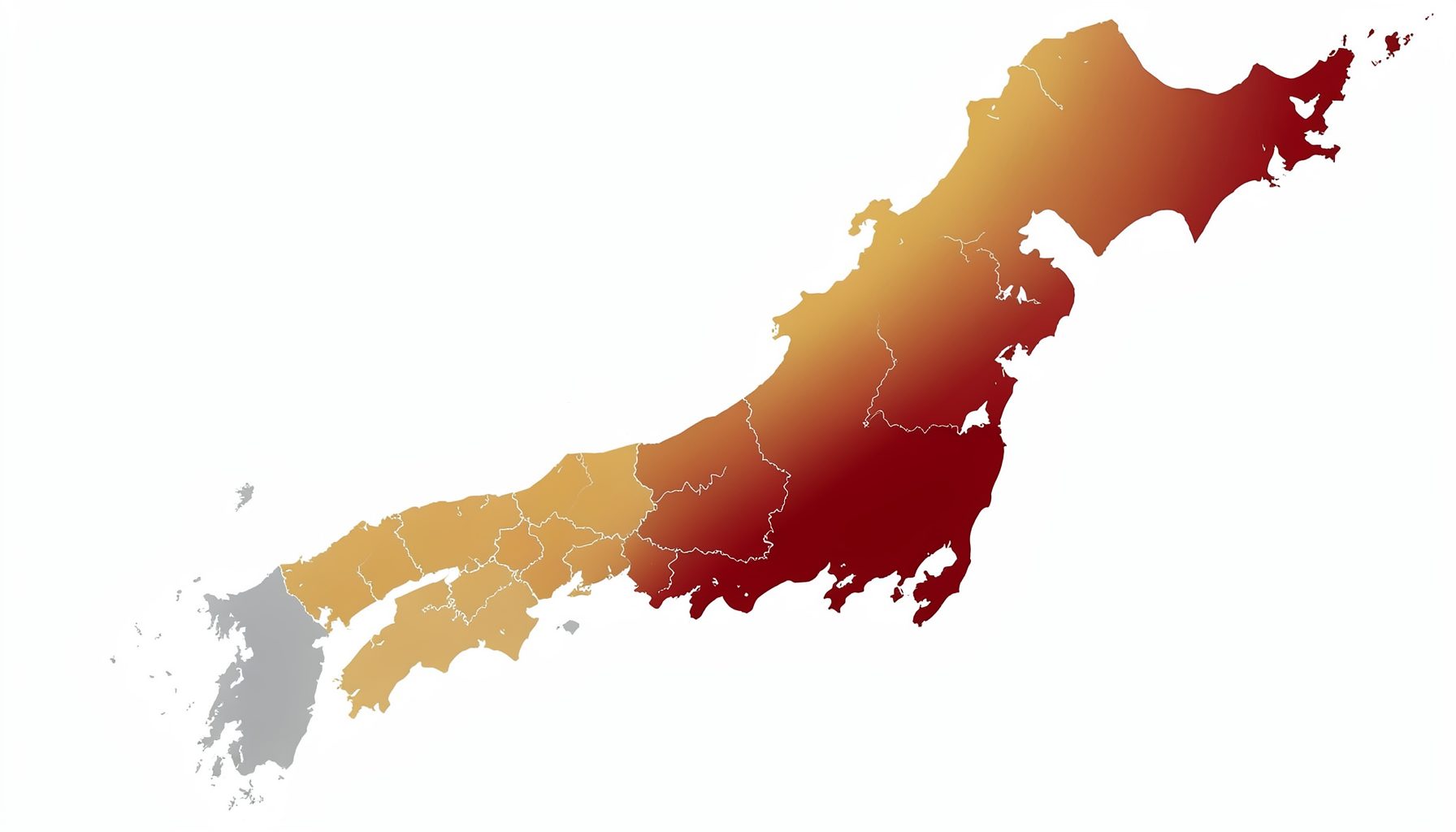
Japan’s multi-channel system offers a useful comparator because it combines clinics, hospitals, ambulances, pharmacies, schools, aged-care facilities and laboratories. No single channel gives a complete picture. A pharmacy may detect increased demand for cough treatments before many people reach hospital, an ambulance service may identify rising breathing difficulty, and laboratory data may later support or weaken an initial hypothesis. The Australian system must adapt that breadth to local privacy laws, coding practices and responsibilities across states and territories.
Event-based surveillance offers another transferable model: the operational lessons in heat illness surveillance show how anticipated pressure on health services can be checked across several data streams. Australian monitoring could similarly intensify around large international sporting events, music festivals or other gatherings. School absenteeism may provide context for illness among younger household members, while pharmacy activity can contribute early purchasing signals. These indirect measures require cautious interpretation, especially when they are used to investigate illness among university-aged adults.
Interpreting changes without overdiagnosis
An increase in cough or breathlessness can have many causes. Influenza, COVID-19, asthma, hay fever, smoking and occupational dust may affect the same indicators monitored for vaping-related injury. Australia’s bushfire seasons and widespread smoke haze can sharply increase respiratory presentations, while extreme heat raises demand for ambulances and creates its own patterns of breathing complaints. Surveillance teams should compare respiratory-virus laboratory data, weather, pollen and smoke records before attributing a cluster to a particular exposure.
Data quality and privacy protections need equal attention. Free-text notes may contain valuable product descriptions, but they can also include names or narrative details that should not enter a pooled dashboard. Copied diagnosis codes, inconsistent terminology and negated symptoms can distort an algorithm. De-identification, role-based access, limited retention and small-cell suppression help prevent harm. Community-controlled governance and Aboriginal and Torres Strait Islander data-sovereignty principles are essential wherever detailed results could reveal information about individuals or communities.
Moving from alert to clinical action
An alert should activate a predefined verification pathway. Public-health staff can contact participating services, review de-identified case narratives, check laboratory and imaging trends, compare exposure histories and coordinate with respiratory physicians, toxicology specialists or product-safety teams. A concerning product pattern may support targeted sampling, recalls, regulatory action, public messaging or temporary clinical guidance. Each communication should state what is known, what remains uncertain and which symptoms require urgent assessment, avoiding causal claims before the evidence is sufficient.
Clinical teams should use a consistent history covering product type, nicotine concentration, flavours, device behaviour, duration of use, recent changes and possible contamination. Severe breathlessness, persistent chest pain, confusion, blue or grey lips or low oxygen readings require urgent emergency assessment; in Australia, call 000. Less acute symptoms still deserve prompt review, and Healthdirect on 1800 022 222 can direct people to suitable care. Surveillance alerts should always be paired with clear clinical advice so that increased attention does not become public alarm.
Turning signals into coordinated action
Action starts with consistent fields, rapid reporting and a named team responsible for verification. Emergency departments, GP clinics, pharmacies, ambulance services, telehealth providers and campus health teams should use compatible definitions for cough, dyspnoea and respiratory distress. Services interested in contributing de-identified data, adapting symptom fields or coordinating a response can contact the surveillance team. A focused pilot could examine adults aged 18 to 24 in one metropolitan catchment and one regional network before expanding across participating jurisdictions.
People who vape should tell a clinician about recent respiratory symptoms and provide as much product information as they safely can, including device type, flavour, nicotine strength, duration of use and where it was purchased. Timely, accurate reports help investigators identify whether patterns are genuine, determine which clinical questions require further study and identify preventable harm. Fast, joined-up reporting gives health authorities the chance to investigate early, protect affected communities and respond before a small cluster becomes a larger respiratory illness event.