




Tracking Home Heater Carbon Monoxide Poisoning Through Ambulance Codes
Winter across southern Australia brings a familiar routine. Families in Melbourne, Hobart and Canberra pull out the gas heater, the ducted system kicks on after the first cold snap, and rental properties across Sydney and Adelaide see unflued units cranked up overnight. Each year, this ritual produces a quieter and more dangerous pattern: a steady rise in calls to triple zero for people feeling dizzy, nauseated or collapsed inside their own homes. Most incidents are never reported as carbon monoxide cases, yet the dispatch codes captured by ambulance services tell a clear story.
Carbon monoxide is colourless, odourless and chemically inert, so households usually notice exposure only when symptoms appear. When that information feeds into a syndromic surveillance system alongside pharmacy sales, school absenteeism and laboratory notifications, even a small cluster of heater-related calls can become a public health signal before laboratory confirmation.
Why Residential Heating Creates a Hidden Carbon Monoxide Risk
Modern Australian homes rely on a mixture of heating technologies, and several carry well-documented carbon monoxide hazards. Unflued gas space heaters, portable LPG cabinet heaters and older ducted units without proper flues release combustion by-products directly into the living space. Blocked chimneys, rusted heat exchangers and cracked flue pipes add to the risk, particularly in homes where the heater has not been serviced for several winters.
The danger is amplified by the way households actually use these appliances. Doors and windows stay closed against the chill, pets sleep near the heater, and families sometimes move a portable unit into a small room where children are sleeping. Many renters assume that because a heater was supplied with the property, it must be safe. Across Australia, more than a million rental homes rely on gas heating that is not always inspected between tenancies.
The health effects of low-level chronic exposure are easy to miss. Headaches, fatigue and mild nausea are often blamed on long work weeks or simply the change in season. Paramedics frequently treat these symptoms as heat stress, migraine or anxiety, particularly when the patient is a child or an older adult. Each of these missed opportunities is exactly the kind of data point surveillance systems are designed to catch.
Common household heating sources linked to carbon monoxide risk in Australian homes include:
- Unflued gas space heaters still found in older rentals
- LPG cabinet heaters placed in bedrooms and small studies
- Ducted gas systems with cracked heat exchangers
- Wood-fired combustion heaters in regional properties
How Ambulance Dispatch Codes Capture Early Warning Signals
Every ambulance call in Australia is logged with a dispatch code describing the presenting problem. Codes covering unconsciousness, respiratory distress, headache, syncope, seizures and "unknown medical" all overlap with the clinical picture of carbon monoxide toxicity. Aggregating these codes geographically and comparing them against a moving baseline lets a surveillance platform highlight a suburb, postcode or town where calls are trending above the expected level.
The strength of ambulance-based monitoring lies in its speed. Triage notes are recorded within minutes of the call, often while the crew is still on scene. A paramedic who notes "heater running in closed room" or "patient improves when window opened" is creating an epidemiological breadcrumb. When these free-text fields are scanned alongside dispatch codes, the system can flag a residential cluster hours before laboratory carboxyhaemoglobin results come back.
The codes themselves are not diagnostic. A spike in "headache" calls in a single suburb during a cold snap could mean many things. But when the same postcodes also show rising sales of paediatric paracetamol, increased school absences and a small uptick in pharmacy visits for nausea treatments, the picture begins to sharpen. That is the moment a routine trend becomes an actionable alert.
From Paramedic Call to Public Health Alert
Once the monitoring platform flags an unusual cluster, the response is rapid and choreographed. Public health units can dispatch environmental health officers to test appliances in the affected street, contact local gas fitters and issue targeted messages through community Facebook groups, school newsletters and local radio. In some jurisdictions, ambulance services share anonymised dispatch data directly with state health departments through secure dashboards.
One of the most valuable triggers comes from repeated calls to a single address. A household that generates three or four ambulance attendances over a single winter for "dizziness" or "collapse" may indicate chronic exposure. When dispatch codes are combined with date, time and household composition data, surveillance teams can identify vulnerable occupants such as infants, pregnant women or elderly residents on home oxygen.
Messaging changes too. A general winter campaign about heater safety is far less effective than a localised warning telling residents in a specific street or apartment block that paramedics have responded to multiple similar incidents. The Australian winter is short and intense, and that compressed season makes targeted alerts especially valuable.
Seasonal Patterns in Australian Ambulance Data
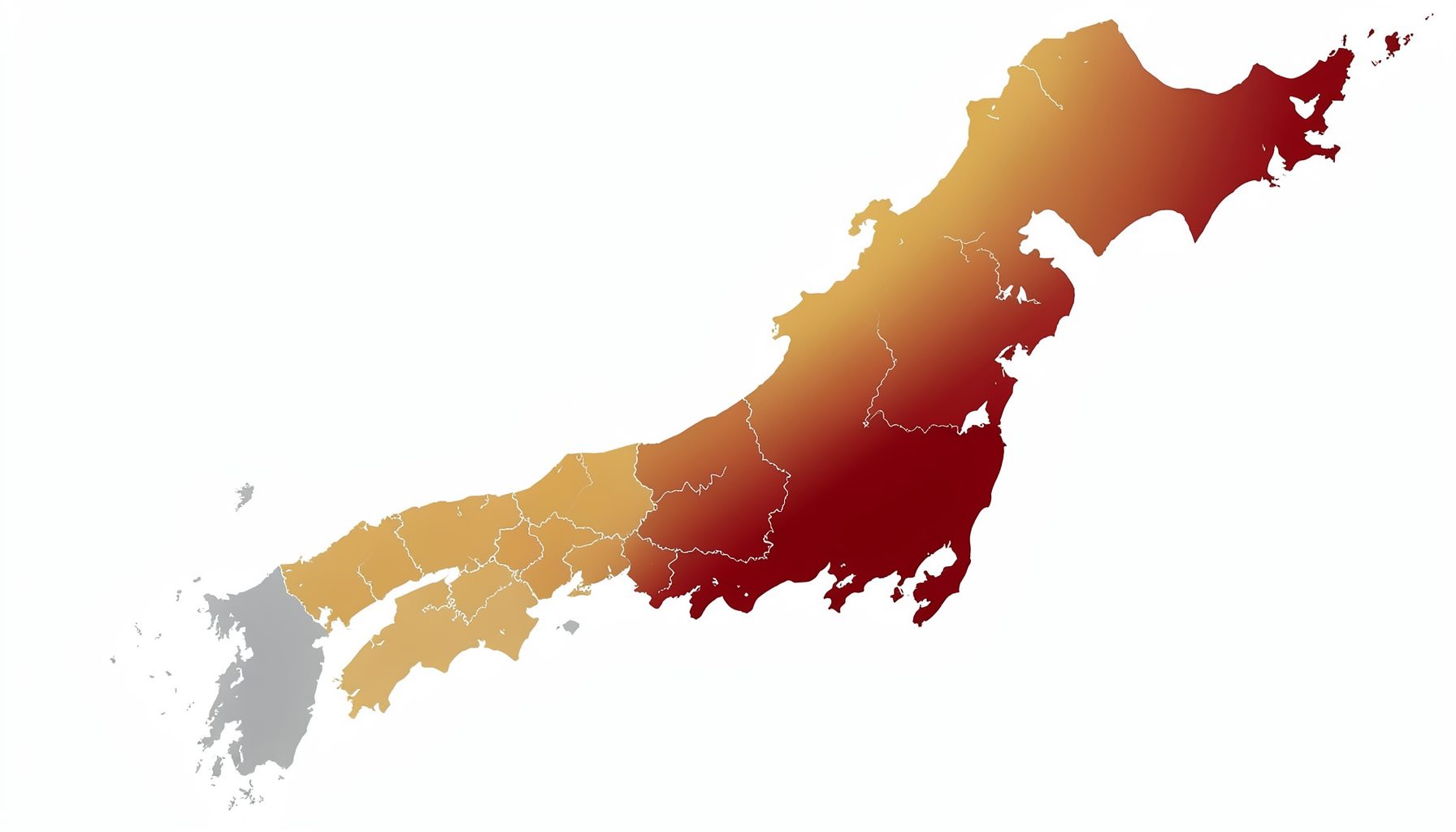
Australian carbon monoxide data follows a distinctive rhythm that ambulance dispatch codes reveal clearly. Call volumes rise sharply after the first cold snap in May, peak during the coldest weeks of July and August, then fall quickly as households switch back to electric heating or reverse-cycle air conditioning. Tasmania and Victoria consistently produce the highest per-capita rates, reflecting both colder climates and a heavier reliance on gas heating in private rentals.
The pattern is not uniform. Inner-city apartments with centralised heating rarely generate carbon monoxide calls, while older suburbs full of freestanding weatherboard homes with retrofitted gas heaters produce the strongest signals. Rural and regional communities, where wood-fired combustion heaters and LPG cabinet heaters are common, show a separate seasonal pattern tied to longer and colder winters.
Weather data adds another layer of precision. A cold front that pushes minimum temperatures below two degrees across Melbourne or the ACT typically produces a measurable increase in carbon monoxide-related ambulance dispatches within 24 hours. When that weather signal is layered onto the surveillance platform, analysts can predict surges and pre-position community warnings before the calls begin.
Combining Heater Surveillance with Pharmacy and School Absenteeism Data
Carbon monoxide rarely presents in isolation. The same households that produce ambulance calls often show up in over-the-counter medication purchases, school absenteeism records and visits to community pharmacies for anti-nausea products. Integrating these data streams produces a far richer picture than any single channel can provide.
Pharmacy surveillance, for example, captures residents who treat their symptoms at home without ever calling an ambulance. Information about how pharmacy surveillance works shows how purchases of analgesics, anti-nausea medications and paediatric rehydration salts can indicate clusters of low-level exposure. When those purchases overlap geographically with ambulance dispatch codes for headache and dizziness, the case for a localised carbon monoxide event becomes far stronger.
School absenteeism adds a third stream. Children exposed at home often feel unwell in the morning, miss school and recover by lunchtime. A school that reports a sudden rise in morning absences during a cold spell, with children returning later in the day, may be flagging a heater problem affecting entire families. Combining these signals creates a multi-channel early warning system that no single dataset can match.
Data streams that strengthen heater-related carbon monoxide monitoring include:
- Ambulance dispatch codes for headache, syncope and respiratory distress
- Pharmacy sales of analgesics and anti-nausea preparations
- School absenteeism patterns during cold snaps
- Weather forecasts tied to expected call surges
Strengthening Prevention Through Code-Based Detection
The real value of ambulance-based monitoring is what it enables before a tragedy occurs. When dispatch codes are tracked continuously, public health teams can identify suburbs where prevention activities will have the highest impact. Free carbon monoxide detector programs, gas heater inspection subsidies and tenant education campaigns can be deployed where they are most likely to prevent harm rather than spread thinly across an entire state.
Data quality matters. Dispatch codes need to be applied consistently, paramedic notes need to capture environmental context, and the data needs to flow quickly enough to be actionable. Investments in automated coding, natural language processing of free-text fields and integration with electronic patient care records all improve the system's sensitivity. Australian ambulance services have been among the global leaders in this kind of integration.
Community engagement is just as important. A neighbourhood that has seen targeted, code-driven messaging about heater safety is far more likely to take preventive action than one receiving only generic winter health advice. Local councils, schools, community health centres and gas fitters all play a role in turning surveillance signals into safer homes.
Lessons from Australian Carbon Monoxide Tragedies
Australia has a long and painful history of carbon monoxide deaths linked to residential heating. The cluster of apartment deaths in Melbourne that prompted the Bracks inquiry in the mid-2000s remains a defining moment for the country's approach to gas heater safety. Tasmania has recorded recurring fatalities from wood heaters and LPG cabinet heaters, often in older homes occupied by low-income families or older residents.
Each of these tragedies produced improvements in regulation and safety standards, but they also revealed gaps in early detection. In hindsight, ambulance dispatch codes had been showing warning signs for weeks before each fatal event, but the data was not being analysed in a way that connected calls to heating appliances. Modern surveillance systems are designed to close that gap, turning every dispatch code into a potential early warning.
The lessons are now being applied more broadly. Public health teams across Australia are using ambulance, pharmacy and school data together to monitor a growing list of environmental and infectious hazards. Carbon monoxide from residential heaters is one of the clearest and most preventable, and the surveillance tools built for it are already paying dividends in faster response and fewer tragedies.
Stay across the latest surveillance methods being used to detect carbon monoxide and other household hazards by following the Australia health surveillance updates feed and subscribing to the site's alerts.