





How Syndromic Surveillance Can Detect Early Signs of Bioterrorism Events
Bioterrorism events may begin with scattered, nonspecific symptoms rather than a confirmed diagnosis. People can seek care for fever, breathing problems, vomiting, diarrhea, neurological symptoms, or unexplained skin irritation before clinicians know whether the cause is infectious, environmental, or intentional. Syndromic surveillance helps public-health teams recognize unusual patterns during this uncertain period. Learn more about Syndromic Surveillance For Encephalitis And Meningitis Seasonality.
The approach uses near-real-time information collected before laboratory confirmation. Emergency department visits, ambulance dispatches, school absences, pharmacy purchases, hospital admissions, and reports from elderly-care facilities can reveal a change in community health behavior. A single report rarely proves anything, but several aligned signals can prompt faster investigation.
This early-warning function is especially important when an event affects many people over a short period, appears in unexpected locations, or produces an unusual combination of symptoms. Syndromic surveillance does not identify an attacker or replace laboratory testing. Its value lies in shortening the time between the first abnormal observations and a coordinated public-health response.
Why Timing Matters During a Deliberate Release
A biological attack may initially resemble seasonal influenza, food poisoning, heat illness, or a naturally occurring outbreak. Laboratory confirmation can take time, particularly when the suspected agent is uncommon or when clinicians are not expecting it. During that interval, routine clinical records can still show that something is changing.
Early detection depends on identifying deviations from an established baseline. Public-health analysts compare current symptom patterns with historical levels by date, location, age group, care setting, and severity. A sharp increase in severe respiratory illness, for example, may deserve attention if it occurs outside the usual season or across several unrelated facilities.
The timing of reports also matters. A cluster of similar symptoms appearing among people with no obvious shared exposure may indicate widespread transmission or a common environmental source. If symptoms emerge simultaneously across distant areas, analysts can examine whether the pattern reflects travel, a shared event, reporting artifacts, or a deliberate release.
Signals That Reveal an Unusual Health Event
Syndromic surveillance focuses on clinical presentations and health-service behavior. These may include fever with respiratory symptoms, acute gastrointestinal illness, neurological complaints, unexplained rashes, conjunctivitis, or sudden changes in consciousness. The system can also monitor ambulance calls, emergency visits, over-the-counter medication purchases, and absenteeism.
Absence from school can provide an early community signal because families may keep children home before seeking medical care. Pharmacy data can show increased demand for antidiarrheal medicines, fever reducers, rehydration products, or respiratory treatments. The absenteeism and pharmacy approach demonstrates how separate, low-specificity indicators can become more informative when they move together.
Severity and age distribution add another layer. An unusual number of critically ill patients, sudden neurological symptoms in healthy adults, or illness concentrated among people who do not normally share the same exposure can raise the priority for investigation. These findings are signals for review, not automatic evidence of bioterrorism.
Connecting Data Across the Health System
A multi-channel surveillance system is stronger than any single data source. Clinics may capture mild illness, hospitals may show serious complications, and ambulance services may reveal sudden deterioration. Schools can identify absenteeism, pharmacies can indicate self-treatment, and elderly-care facilities can report clusters among vulnerable residents.
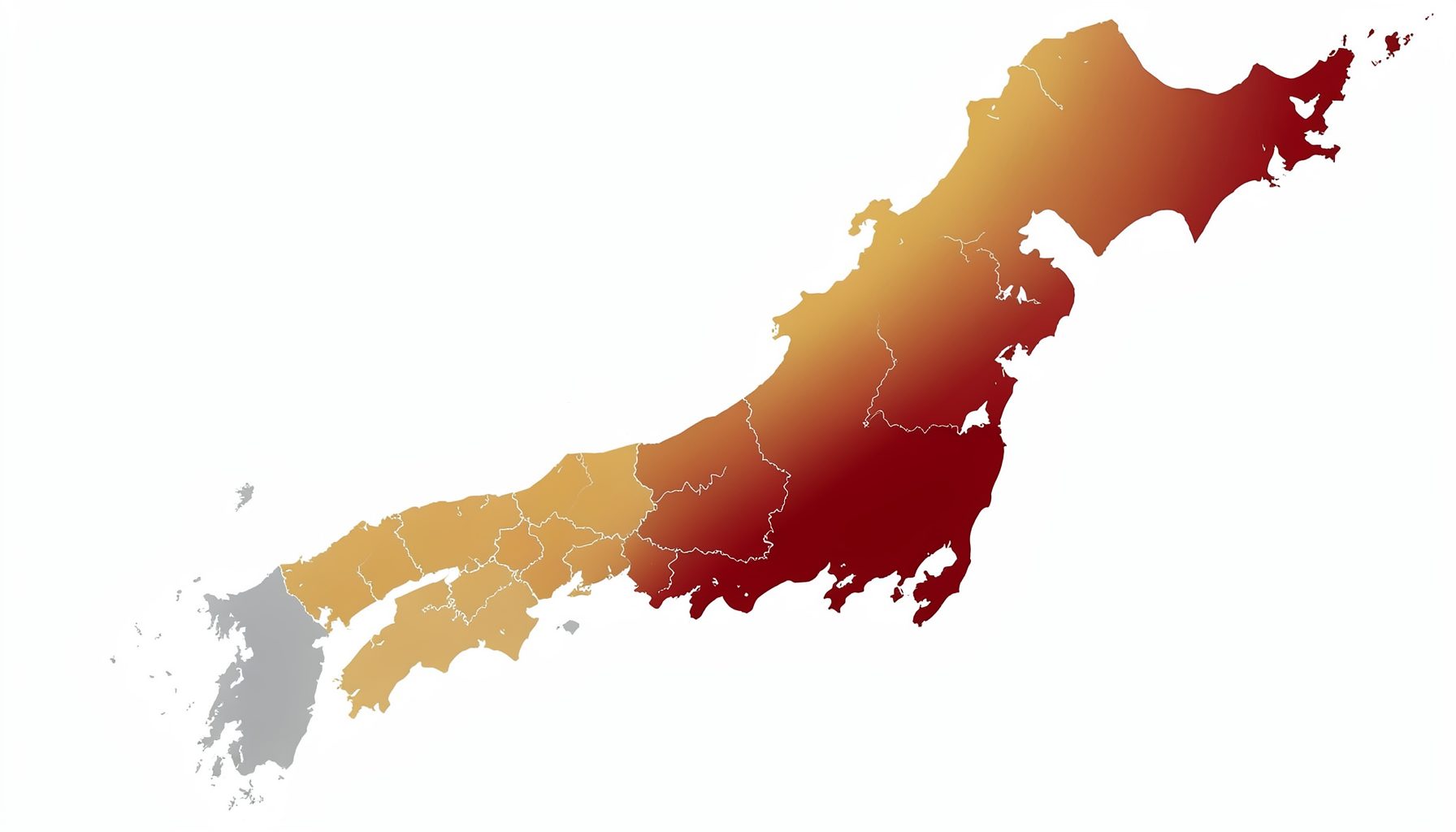
Japan’s surveillance model illustrates the value of integrating information from clinics, hospitals, ambulances, pharmacies, schools, care facilities, and laboratory testing. Each channel has different coverage, reporting speed, and biases. When analyzed together, they can help distinguish a genuine increase in illness from a temporary change in one institution’s reporting practices.
Laboratory testing remains essential for identifying an agent and guiding treatment, infection control, and risk communication. Syndromic data can help direct specimens toward the right locations, prioritize field investigations, and show whether the suspected event is expanding. Resources on syndromic surveillance describe this broader public-health monitoring framework and its role in faster outbreak response.
Separating Deliberate Signals From Background Illness
The central analytical challenge is that the same symptoms can arise from many causes. A rise in gastrointestinal illness may result from norovirus, contaminated food, medication effects, or an intentional release. Respiratory complaints may reflect influenza, wildfire smoke, an industrial accident, or a biological agent. Analysts therefore look for combinations of timing, geography, severity, exposure history, and affected populations.
No statistical alert can determine intent by itself. Algorithms may flag a cluster because data were entered late, a hospital changed its coding system, or a local event increased healthcare use. Human review is required to check data quality, contact clinicians, compare neighboring jurisdictions, and consider environmental and social explanations.
| Signal pattern | Possible interpretation | Public-health follow-up |
|---|---|---|
| Sudden rise in one symptom group | Natural outbreak, exposure, or reporting change | Validate records and compare with historical baselines |
| Similar illness across distant locations | Shared travel, common event, or dispersed exposure | Review movements, event calendars, and geographic timing |
| Unusual severity or age distribution | Novel pathogen, toxin, or healthcare anomaly | Request clinical details and prioritize laboratory testing |
| School and pharmacy signals rising together | Community transmission or shared exposure | Coordinate with schools, pharmacies, and local health offices |
| Multiple channels changing at once | Broad health event requiring rapid assessment | Activate an incident review and integrate field information |
The most concerning pattern is often convergence. If emergency visits rise, pharmacies report related medication demand, schools record unusual absenteeism, and care facilities report similar symptoms, confidence in a real event increases. A deliberate release may be suspected when the pattern is abrupt, geographically unusual, or inconsistent with known seasonal behavior, but confirmation requires epidemiological and laboratory investigation.
From Alert to Coordinated Investigation
An alert should trigger a structured assessment rather than an immediate public accusation. Public-health teams first verify that the increase is real, determine which populations are affected, and assess whether ordinary explanations fit the evidence. They may contact reporting facilities, review clinical notes, map cases, and request specimens from representative patients.
The response can then expand according to the level of risk. Measures may include infection-control guidance, targeted testing, medical resource coordination, environmental assessment, and communication with emergency-management authorities. If intentional harm is plausible, public health must work closely with law enforcement and national security partners while preserving the independence of epidemiological analysis.
Communication is a critical part of this process. Authorities need to explain what is known, what remains uncertain, and what protective actions are appropriate. Overstating an unconfirmed alert can create fear, stigma, and unnecessary pressure on hospitals. Delaying communication for too long can allow exposure or transmission to continue. Clear, evidence-based updates help maintain public trust.
Improving Readiness Before an Emergency
The effectiveness of syndromic surveillance during a crisis depends on preparation during ordinary periods. Baselines must be built from routine reporting, data definitions must remain consistent, and participating organizations need clear procedures for correcting errors. Analysts also need experience interpreting normal seasonal peaks, holiday effects, school calendars, and changes in healthcare access.
Training should include tabletop exercises that test how an unusual cluster moves from frontline observation to public-health review. Exercises can expose gaps in data sharing, contact lists, laboratory capacity, privacy protections, and decision authority. Major international events may require enhanced monitoring because increased travel and crowding can change disease patterns and create additional opportunities for rapid spread.
Privacy safeguards are equally important. Surveillance systems should collect the minimum information needed for public-health action, restrict access, protect personal identifiers, and establish retention rules. Transparent governance helps ensure that heightened monitoring remains proportionate to the threat and does not become a permanent expansion of intrusive data collection.
Practices That Strengthen Detection
Organizations responsible for early-warning systems can improve their readiness through a small set of practical measures:
- Establish reliable baselines for symptoms, healthcare use, absenteeism, and medicine purchases.
- Combine data from clinical, community, laboratory, and emergency-response channels.
- Use automated alerts to prioritize expert review rather than replace epidemiological judgment.
- Create rapid pathways for specimen collection, confirmatory testing, and secure information sharing.
- Exercise communication plans that address uncertainty without causing unnecessary alarm.
These practices also improve detection of naturally occurring outbreaks, chemical exposures, and other public-health emergencies. A system built solely for rare hostile events may remain unused for long periods, while a system embedded in everyday disease monitoring can provide continuous value and develop stronger analytical habits.
Make Early Warning Actionable
Syndromic surveillance can reveal the first signs of a bioterrorism event by detecting unusual changes in symptoms, healthcare demand, population behavior, and geographic distribution before a diagnosis is confirmed. Its strength comes from speed, breadth, and comparison across independent sources. Its limits are equally important: alerts are not proof, and interpretation requires clinical, epidemiological, laboratory, environmental, and security expertise.
Public-health agencies, healthcare providers, schools, pharmacies, laboratories, and emergency services should maintain the connections that make these signals visible. Explore the surveillance resources, strengthen routine reporting, and use joint exercises to turn an unexpected pattern into a timely, proportionate response.