





Catching Scarlet Fever Earlier Through Amoxicillin Signals
Scarlet fever clusters can develop quickly in childcare centres and schools, particularly when many young children share close contact. Rising pharmacy sales of amoxicillin among children can provide an early warning before laboratory confirmation, but the signal is indirect. It helps public health teams decide where to look, investigate and act.
Australia’s community pharmacies, known as chemists, offer a useful source of near-real-time information. Amoxicillin is commonly prescribed for throat, ear and dental infections, while schools already collect absence information through emails, portals and phone calls. Neither source diagnoses scarlet fever, but changes across both can strengthen outbreak detection.
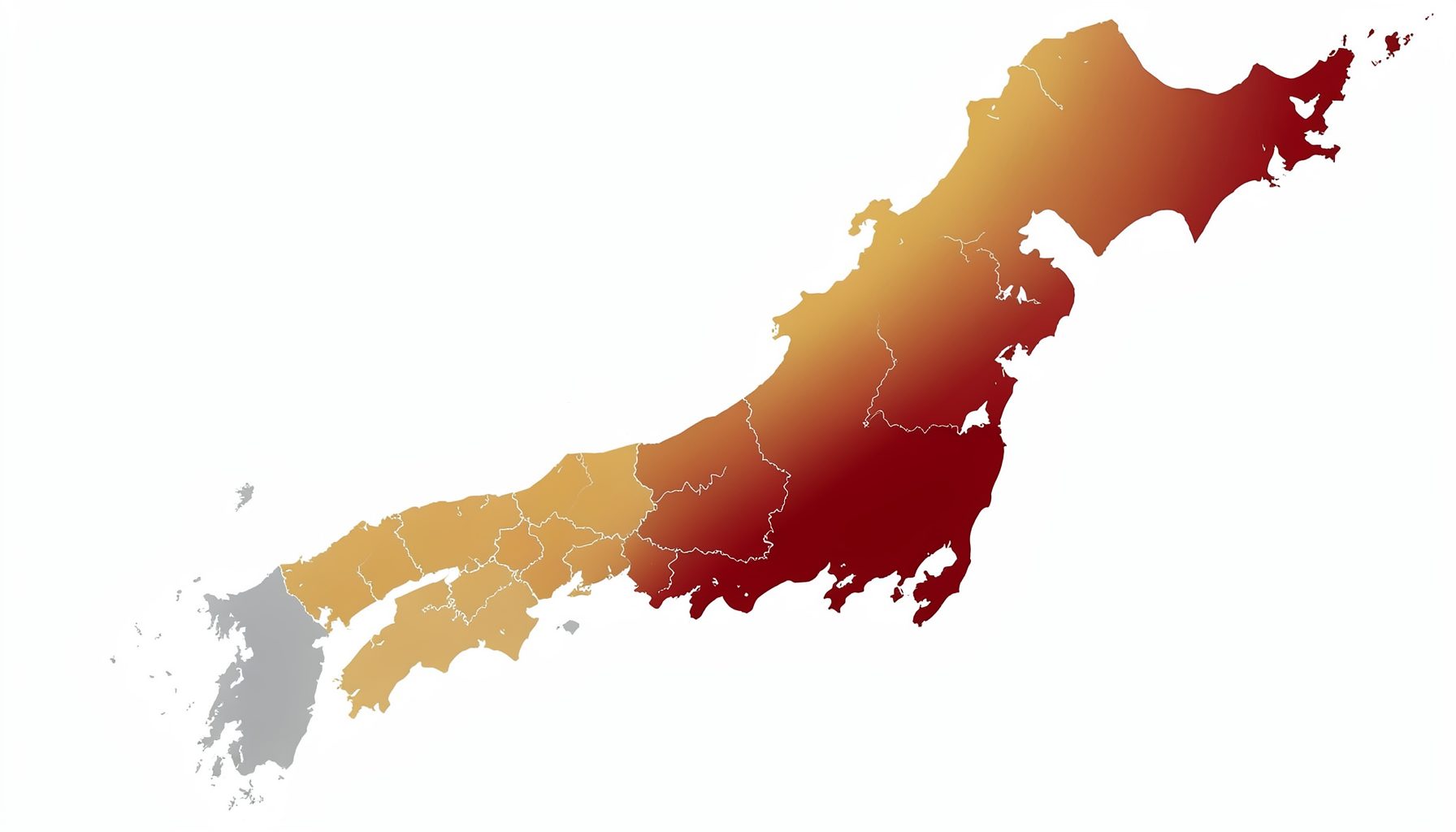
Japan has developed a broader model that combines information from clinics, hospitals, ambulances, pharmacies, schools, aged-care facilities and laboratories. This multi-channel approach can reveal a developing outbreak even when individual data streams remain incomplete. Its value lies in joining several weak signals into a clearer public-health picture.
Pharmacy sales should therefore be treated as a trigger for enhanced surveillance rather than proof that scarlet fever is spreading. A credible Australian system would compare amoxicillin dispensing with school absenteeism, clinical reports and laboratory results while accounting for seasonal illness, prescribing changes and local outbreaks.
Why pharmacy data can reveal a developing cluster
Pharmacy records can show a rise in amoxicillin purchases before enough cases reach laboratories or produce a formal notification. Weekly dispensing data can be divided by age, medicine strength and geographic area, then compared with previous years. Children aged under 15 are a particularly useful group because the disease disproportionately affects younger patients.
Japan provides a valuable comparator through municipal syndromic data sharing, where local surveillance information is coordinated for outbreak response. A similar Australian arrangement could allow chemists to contribute aggregated dispensing signals while state and territory public health units combine them with education and health-service data.
The measure must be carefully defined. “Pharmacy sales” may include prescriptions dispensed under the Pharmaceutical Benefits Scheme, over-the-counter purchases, repeats and bulk stock supplied to institutions. These categories behave differently and should not be merged without distinguishing genuine patient use from inventory changes.
What scarlet fever looks like before laboratory confirmation
Scarlet fever is caused by toxin-producing strains of group A Streptococcus, or Streptococcus pyogenes. Typical features include sudden sore throat, fever, a fine sandpaper-like rash, strawberry-red tongue and pale skin around the mouth. Younger children may show fewer obvious symptoms, sometimes presenting with a rash, abdominal pain or general unwell behaviour.
Rising throat infections among children can indicate several problems, including scarlet fever, viral tonsillitis, strep throat and other respiratory infections. Amoxicillin may also be prescribed for otitis media, sinusitis or dental conditions. A signal based on medicine purchases alone therefore identifies increased clinical concern, not its cause.
The experience described in measles fever-and-rash algorithms demonstrates how structured symptom combinations can improve early detection. A scarlet fever algorithm could similarly examine fever plus rash, sore throat plus rash, and paediatric emergency presentations for characteristics compatible with the disease.
Building an Australia-ready early-warning signal
The strongest approach combines data that describe the same place and period. Dispatching areas could be mapped around pharmacy catchments, school attendance zones and public health boundaries. Baselines should account for term dates, school holidays, influenza seasons and weather, since these factors can change medicine purchasing and absence rates simultaneously.
Australian conditions vary considerably. Sydney, Melbourne and Brisbane contain dense school networks where infection can move readily between families and suburbs, while regional and remote communities may face long distances to a GP or hospital. Surveillance in remote areas should use community-controlled data arrangements and co-design with Aboriginal and Torres Strait Islander health services rather than apply a metropolitan model unchanged.
Local language also matters when information comes through surveys or hotline reports. Families may describe a “sick day”, a sore throat or being “off school”, rather than use formal diagnostic categories. Consistent symptom definitions should retain these familiar terms while converting them into data that analysts can compare reliably.
A practical surveillance workflow
A weekly operational dashboard could combine a small number of pharmacy measures with information from schools and clinical services. The pharmacy component should be calculated from legitimate dispensing records and subjected to quality checks before it appears alongside health data.
Useful pharmacy measures include:
- Weekly amoxicillin dispensing per 1,000 residents aged under 15
- Age-specific changes against the same school term in prior years
- New courses separated from repeat supplies where data permit
- Prescription indications for relevant infections when available
These measures should be interpreted alongside contextual indicators from the same catchments. Schools can distinguish ordinary absences from clusters of fever, sore throat or unexplained illness, while hospitals and ambulance services can report symptom combinations that meet agreed syndromic definitions.
Useful contextual measures include:
- School absences linked to fever, sore throat or rash
- Emergency department and ambulance reports of compatible symptoms
- Clinician alerts and confirmed group A streptococcal results
An alert should recommend a proportionate review rather than automatically declaring an outbreak. Local teams can examine the affected pharmacy, school or age group, check whether the increase persists after data corrections, and compare it with nearby surveillance sources.
Reading the signal without overreacting
Several factors can create an apparent surge in paediatric amoxicillin use. A school outbreak of viral tonsillitis, a pharmacy stock-out followed by a rush to buy medicine, or a change in prescribing guidance can all raise or lower recorded dispensing. Media coverage may also prompt worried families to seek prescriptions that would not otherwise have been requested.
Data analysis must preserve the difference between correlation and causation. Age-specific rates should be compared with multi-year seasonal baselines, and alerts should be adjusted for known events such as influenza surges or local emergency department pressures. Sudden changes deserve investigation; modest fluctuations during a busy respiratory season may not.
Privacy is equally important. Public reporting should use aggregated data, suppress small counts and avoid combinations that could identify a child or family. In smaller regional communities, geographic detail should be reviewed carefully, while individual pharmacy and school records remain accessible only to authorised public health staff.
Strengthening surveillance during periods of rapid spread
Surveillance should intensify when outbreaks are active, during school holidays and around major international events that bring visitors, workforce and mass gatherings together. In Australia, these periods can include major sporting events, cultural festivals and busy travel periods across state borders. Enhanced monitoring should focus on compatible symptoms and medicine changes rather than collecting unnecessary personal information.
An event-linked data example offers a parallel for operational planning: high-volume venue information can contribute to a time-sensitive picture of changing activity. The same principle applies to health surveillance, where temporary dashboards can help teams recognise crowding, travel or unusual clusters around an event.
Enhanced monitoring also requires clearer referral pathways. Ambulance crews, school nurses, chemists and clinicians need to know which symptoms warrant notification, whom to contact and what information is useful. A short, consistently used syndrome definition is more valuable than broad reporting that produces large volumes of low-quality data.
Turning an early signal into coordinated action
When several indicators align, the response should begin with rapid clinical and epidemiological assessment. Public health teams can contact affected schools and pharmacies, review available syndromic data, arrange appropriate testing and determine whether additional infection-control measures are required. Confirmed cases should enter routine notification and investigation processes according to local rules.
Communication must be timely and proportionate. Families, childcare centres and schools may need guidance on symptoms, exclusion and seeking care, while clinicians may need reminders about appropriate testing and treatment. Antibiotic stewardship should remain central because unnecessary amoxicillin use can cause adverse effects and contribute to resistance without addressing scarlet fever.
The immediate call to action is for Australian chemists, school leaders, clinicians, ambulance services and public health units to form a small surveillance working group, agree on privacy-safe weekly reporting and launch a baseline-tested pilot built around paediatric amoxicillin dispensing.