





Recognising Pertussis in Adults Through Workplace Cough Patterns
Pertussis, commonly called whooping cough, is often associated with babies and young children, yet adults can carry and spread the infection for weeks. In occupational health clinics, the first useful clue may be a persistent cough that has outlasted an ordinary cold, especially when coughing fits become more intense, disruptive or distinctive over time.
Adults do not always produce the classic whoop. A person may describe repeated bouts of coughing, difficulty drawing breath afterwards, vomiting triggered by coughing, or exhaustion after each episode. Listening carefully to the pattern and timing of symptoms can help a clinician decide when testing, exclusion from work and public-health notification should be considered.
Workplace consultations also create an opportunity to connect individual symptoms with wider signals. Reports from clinics, pharmacies, hospitals, schools, aged-care services and laboratories can identify unusual respiratory activity before every case has laboratory confirmation. This syndromic surveillance approach supports faster investigation while clinicians assess each employee on their own symptoms, exposure history and test results.
Why Adult Pertussis Is Easy To Miss
The illness usually begins with cold-like symptoms such as a runny nose, mild sore throat and an occasional cough. Fever may be absent or low-grade, so an adult can continue working in an office, warehouse, school, hospital or construction camp. After one or two weeks, the cough may become more frequent and occur in clusters or spasms.
The classic whoop is caused by a forceful inhalation after a series of coughs. It is more often heard in children than adults, and it may be absent in people who have been vaccinated, older patients or those with asthma and other respiratory conditions. A quiet consultation room may also fail to capture the sound if the patient has not had a coughing fit during the appointment.
Occupational health clinicians should therefore treat the whoop as one feature rather than a requirement. A cough lasting 14 days or longer, repeated paroxysms, post-cough vomiting, faintness, rib or abdominal muscle pain, and a worsening pattern after an apparently minor cold all strengthen the case for pertussis testing. Alternative diagnoses, including COVID-19, influenza, asthma, pneumonia and reflux, still need consideration.
Reading The Cough Pattern In Clinic
A detailed symptom timeline is often more informative than the label “chest infection”. Ask when the cough started, whether it is dry or productive, how often attacks occur, and whether the employee can speak or breathe normally between episodes. Note if attacks are worse overnight, triggered by exertion or followed by a sharp inspiratory sound.
The clinician should document exposure settings that are relevant to Australian workplaces. These may include contact with a baby, attendance at a childcare centre, work in a school or hospital, shared accommodation on a mining or energy site, or prolonged travel on crowded trains in Sydney or Melbourne. A worker who has recently visited family in Queensland or attended a large indoor event may have additional exposure opportunities, although no single setting proves the source.
Vaccination history matters because immunity fades over time. Adults may remember childhood immunisations but not a recent dTpa booster. The Australian Immunisation Handbook and state or territory public-health advice can guide decisions for healthcare workers, pregnant people, childcare staff and others with regular contact with infants. Vaccination does not exclude pertussis, but it can alter the severity and presentation.
When The Whoop Is Missing
An absent whoop should never be used to rule out infection. Adults may have a prolonged hacking cough without the dramatic sound associated with paediatric cases. Some describe a gasp, throat catch or feeling that they cannot get enough air after a coughing burst instead. Others have repeated coughing during a telephone consultation but appear comfortable by the time they arrive at the clinic.
The most useful distinction is often between an isolated cough and a cough with a recognisable sequence. A bout may begin with a tickle, progress to six or more forceful coughs, end in a gasp, and leave the patient flushed, watery-eyed or exhausted. Vomiting, urinary leakage, dizziness and chest-wall pain can provide additional clues, even when the whoop is subtle.
Clinicians should avoid asking patients to provoke a coughing attack. Instead, record the person’s description, observe spontaneous symptoms and assess oxygen saturation, respiratory effort and general condition. Severe breathlessness, cyanosis, syncope, dehydration or suspected pneumonia requires urgent medical assessment rather than routine workplace follow-up.
Testing And Early Clinical Action
Nasopharyngeal polymerase chain reaction testing is commonly used early in the illness, particularly while the cough is active and bacterial material can still be detected. The collection method and timing affect the result, so occupational health services should use current Australian laboratory guidance and arrange testing through an appropriate pathology provider.
A negative result does not always settle the matter. Testing too late, poor specimen collection, prior antibiotics or a different respiratory illness can affect interpretation. The clinical history remains important, and public-health units may advise on further testing, contact management or notification requirements. Pertussis is a notifiable disease in Australia, with processes varying by state and territory.
When suspicion is high, a clinician may discuss treatment according to current guidelines, particularly if the patient is within the infectious period or has close contact with vulnerable people. Antibiotics may reduce transmission more reliably than they shorten a cough that is already well established. Employees should receive clear advice about staying away from work, masking where appropriate and avoiding babies and pregnant people until public-health or medical guidance permits a return.
Using Workplace Data As An Early Signal
Occupational health clinics can detect a cluster before formal case counts rise. A single persistent cough may be routine; several employees from the same depot, ward, classroom or worksite reporting paroxysmal coughing within a short period deserve closer attention. Absence records, nurse consultations, pharmacy enquiries and respiratory test requests can add context without identifying individual workers in shared reports.
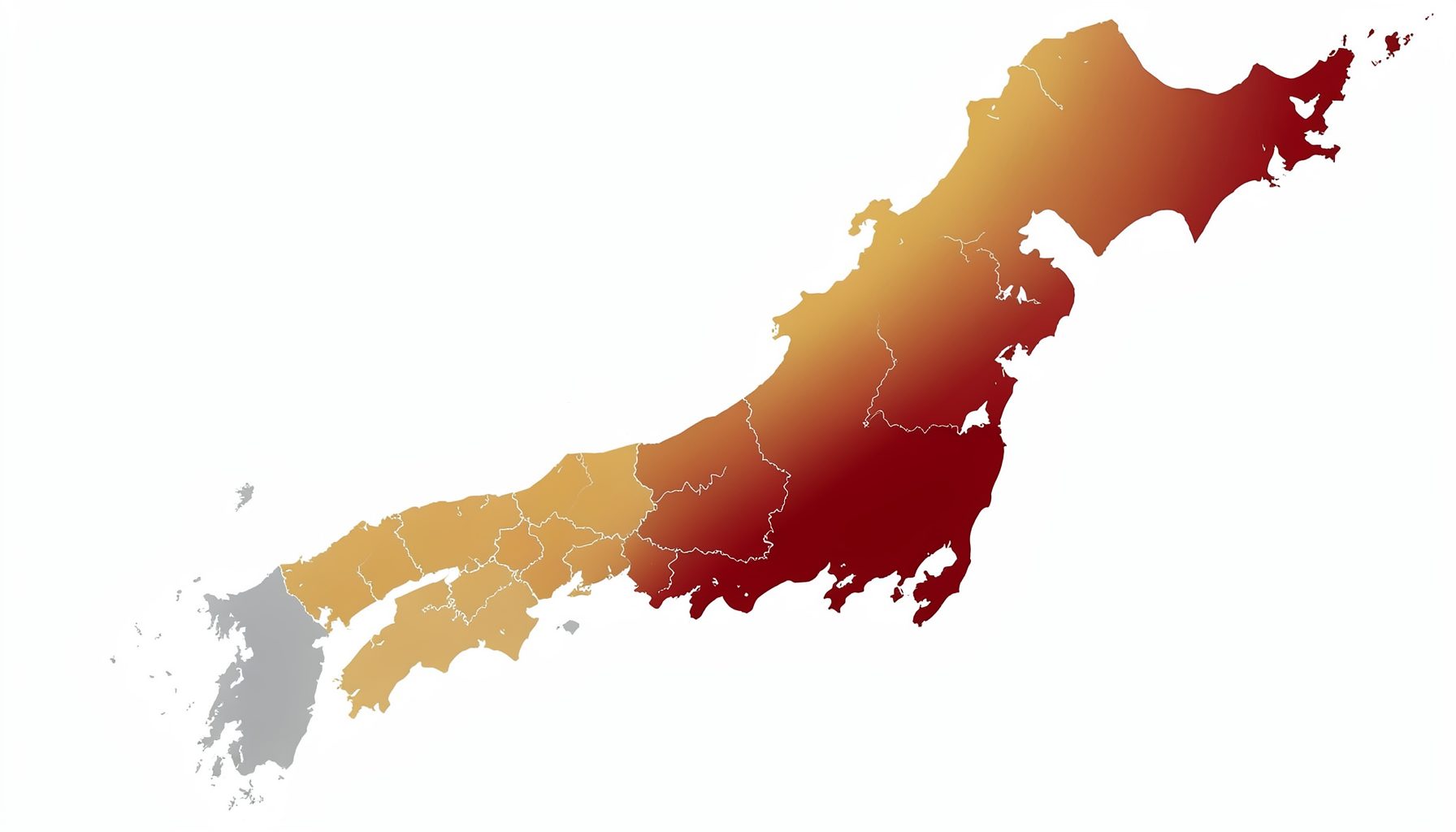
This is where syndromic surveillance has practical value. It uses symptoms, consultations and other near-real-time indicators to identify patterns before laboratory confirmation is complete. Japan’s national approach, described in Japan’s surveillance model, illustrates how information from multiple channels can support an earlier public-health response.
An Australian employer should not attempt to diagnose an outbreak from an informal spreadsheet. Instead, an unusual pattern should prompt consultation with the occupational physician, infection-control lead, local public-health unit or relevant state health department. Privacy, secure data handling and minimum necessary reporting are essential, particularly in small regional worksites where individuals can be easily recognised.
Connecting Clinics, Pharmacies And Public Health
Pharmacy activity can provide an additional view of respiratory illness. In Australia, a rise in requests for cough medicines, antibiotics, masks or respiratory testing may reflect community transmission, although these signals are not specific to pertussis. Pharmacy surveillance is strongest when combined with clinical reports, laboratory positivity, emergency presentations and school or childcare absenteeism.
Schools and early-learning services are particularly important because infants and young children face a higher risk of severe disease. A parent working in a Melbourne childcare centre, a teacher in Brisbane or a healthcare assistant in Perth may present to an occupational clinic with mild symptoms but have repeated exposure to vulnerable groups. The clinic’s response should account for those contacts rather than focus only on the employee’s ability to complete a shift.
Large events can also change exposure patterns. Sporting fixtures, festivals and international gatherings bring people together across suburbs and states, while major events may increase demand for enhanced monitoring. Syndromic systems can look for respiratory symptoms across participating clinics and services, helping health authorities investigate a signal quickly while laboratory testing catches up. Examples from broader surveillance practice are available in these surveillance case studies.
Building A Reliable Occupational Health Response
A practical workplace protocol should define how persistent coughs are triaged, tested and followed up. Reception and nursing staff need a simple pathway for separating people with active coughing from crowded waiting areas, offering a mask when suitable, and escalating urgent breathing problems. Clinicians should know who handles laboratory coordination, public-health notification and communication with the employer.
The return-to-work decision should be based on infectiousness, treatment, symptoms, workplace risk and public-health advice. A desk-based employee may need different controls from a neonatal nurse, aged-care worker, childcare educator or food-service worker. Flexible work, temporary redeployment and improved ventilation can reduce exposure while the situation is clarified.
Record quality makes later surveillance more useful. Include symptom onset, cough characteristics, vaccination history, relevant contacts, work location, test date and advice given. Avoid vague entries such as “viral illness” when the presentation includes prolonged paroxysms or a whoop-like gasp. Consistent terminology allows occupational health teams to identify clusters and share meaningful information with public-health authorities.
Employee education should be calm and specific. Explain that adults may have pertussis without a pronounced whoop, that coughing can persist after the infectious period has ended, and that babies are particularly vulnerable. Encourage workers to seek assessment for a cough that continues beyond the expected course of a cold, especially when attacks are severe or increasing.
Occupational health services can strengthen early detection by adding cough-duration prompts to consultations, reviewing respiratory trends across worksites and maintaining clear referral links with pathology providers and public-health units. Recognising the pattern early gives employees better care and helps protect colleagues, families, schools, aged-care residents and the wider Australian community.