





Early warning signals for chickenpox in Australia
Detecting chickenpox outbreaks using school absenteeism and pharmacy sales of acyclovir can identify a change in illness patterns before every infection is laboratory-confirmed. This is a syndromic surveillance approach: the systematic collection and interpretation of prediagnostic indicators such as fever, rash, healthcare visits, absenteeism and antiviral dispensing. The signals are imperfect, but their value lies in speed, scale and the ability to compare several data streams for the same location and period.
For Australian public-health teams, the task is to connect local information without exposing personal records. School absences, pharmacy data and healthcare presentations have different owners, definitions and privacy rules. A useful system converts them into timely, de-identified indicators, checks whether a pattern exceeds the expected baseline, and routes credible concerns through the right state or territory channels while clinical assessment and laboratory testing continue.
Why chickenpox needs faster outbreak detection
Chickenpox, medically known as varicella, can spread before the characteristic rash is fully apparent, and outbreaks often become visible in schools and childcare settings only after several children have become infectious. Early treatment is especially important when susceptible people, including pregnant people and immunocompromised patients, have been exposed. Australia’s National Immunisation Schedule reduces susceptibility, although vaccination coverage and outbreak control remain important where immunity is incomplete.
Notification and laboratory data remain the foundation of public-health surveillance, but they arrive with delays. A syndromic signal can shorten the interval between the first cluster of illness and a targeted investigation. It does not diagnose chickenpox: fever, a non-specific rash and skin lesions have other causes, and one antiviral prescription may relate to shingles or another herpesvirus infection. The correct use of these data is to prompt verification, not to replace case definitions, clinical review or testing.
What school absenteeism can reveal
Daily school absenteeism is a useful proxy for illness-related disruption. Analysts can compare the proportion of enrolled students absent on each school day with a seasonal baseline, then examine clustering by age, school, postcode area and weekday. An increase that persists after school closures, public holidays and local events are removed is more informative than a one-day spike. Absence reasons may include terms such as illness, fever or rash, although many Australian schools record only broad categories, making the total absence rate more reliable than a specific symptom label.
Timing must be adjusted to each jurisdiction’s school calendar. Term breaks, teacher-training days, severe-weather events and public holidays can lower attendance without any outbreak, while the return of term can change patterns as pupils return after exposure elsewhere. In Sydney, Melbourne and Brisbane, dense populations and connected school networks can support rapid spread, but the same indicators can behave differently in regional areas. Analysts should compare like with like and avoid treating a capital-city surge as evidence of statewide growth.
Data access also varies between education departments, Catholic systems and independent schools. A privacy-preserving service can use aggregated daily counts rather than names while applying small-cell suppression and role-based access under the Privacy Act 1988 and relevant state or territory rules. In remote settings, including some Aboriginal and Torres Strait Islander communities, attendance data must be interpreted with local knowledge because travel, weather and service access can affect both school participation and healthcare use.
Reading acyclovir dispensing across Australia
Pharmacy surveillance adds a treatment signal to illness and absence data. In Australia, oral acyclovir and its prodrug valaciclovir are generally prescription medicines, so “pharmacy sales” should mean recorded dispensings rather than over-the-counter purchases. Community pharmacy feeds can reveal a rise in prescriptions associated with chickenpox-like illness, and dispensing activity can enter the surveillance window before a laboratory result becomes available. Aggregated volumes are more useful for outbreak detection than individual prescriber identities.
The Australian community-pharmacy market includes large chains such as Chemist Warehouse and Priceline, independent pharmacies and hospital outpatient dispensaries, each with different reporting arrangements. Valid comparisons require consistent definitions for medicine, dose strength, pack size and geographic coverage. Antiviral use is not disease-specific: acyclovir and valaciclovir may also be prescribed for shingles, genital herpes or immunosuppression. Because antiviral treatment may be reserved for more severe or higher-risk paediatric cases, dispensing can undercount mild chickenpox and should not be interpreted as infection prevalence.
Useful measures include dispensings per 1,000 residents, the share recorded for paediatric age bands and the ratio of child to adult dispensing. Teams should align pharmacy data with school absence by week and geographic area rather than routinely attempt person-level matching. Every measure needs comparison with the same period in previous years, adjustment for population change and checks for shifts in prescribing practice. A pharmacy rise becomes more persuasive when it coincides with fever or rash presentations, school absence and later confirmed varicella.
Joining multiple surveillance channels
Combining channels creates a stronger signal than any single source. School absence suggests that children are not attending; antiviral dispensing suggests that some patients are receiving treatment; emergency department and clinic activity can show whether presentations are increasing; laboratory data can later confirm the cause. Each feed needs a shared date, geographic unit and denominator so that a cluster can be recognised across organisations.
A practical workflow assigns each feed a data-quality score, checks completeness and compares observed values with a seasonal baseline using control charts or another anomaly-detection method. Alerts should distinguish a small rise in one suburb from simultaneous increases across several schools and pharmacies. Epidemiological teams can then contact affected sites, review syndromic clinical details and arrange testing for suspected varicella. This sequence speeds verification while preserving a clear audit trail.
Digital indicators need especially strict quality control. Even a sharp rise in traffic to unrelated pages—such as western-themed online games—carries no epidemiological meaning and must not enter an outbreak algorithm. Broad behavioural data become relevant only when paired with credible clinical, absence or dispensing evidence.
What Japan’s multi-channel system shows
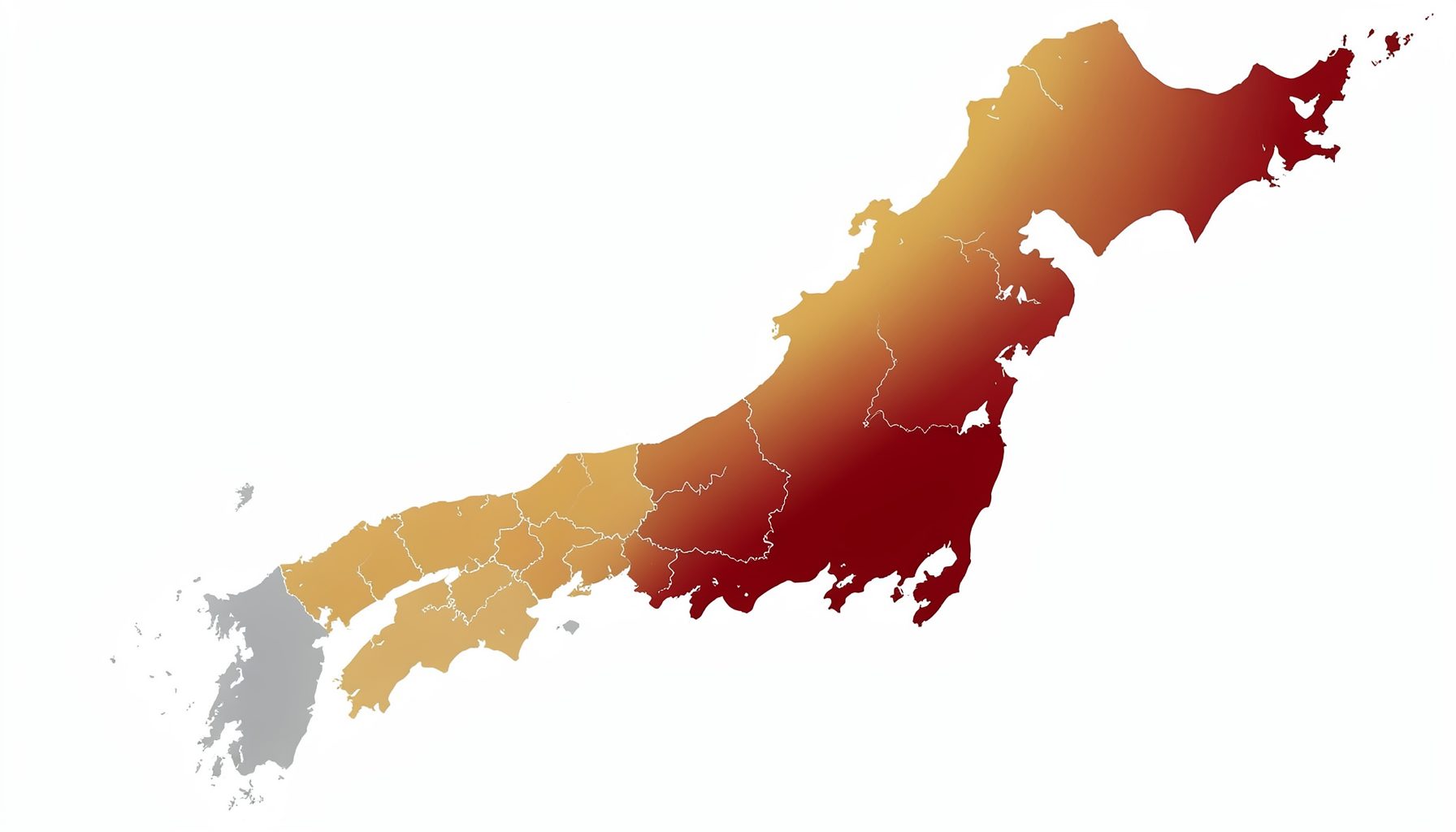
Japan provides a useful example of multi-channel syndromic monitoring. Its national approach integrates information from clinics, hospitals, ambulance services, pharmacies, schools, elderly-care facilities and laboratory testing. Each channel contributes a different view of the community, while laboratory results provide feedback on what the earlier signals represented. The strength lies in coordinated governance, rapid analysis and the ability to share a common situational picture.
Enhanced monitoring during major international events is another important feature. When travel, crowding or a planned gathering changes the usual disease baseline, surveillance can be intensified before and during the event. Temporary increases in data collection and analysis can support early response. For Australia, the same principle could apply around major sporting events, festivals and school holiday periods in Sydney, Melbourne, Brisbane and other travel hubs.
A Japanese model should not be copied as a single national database. Australian health and education responsibilities are distributed across states and territories, and existing systems already carry case notifications, outbreak alerts and laboratory reports. A practical adaptation would begin with a clearly governed pilot connecting school and pharmacy indicators in one jurisdiction, then expand once privacy, data quality and response workflows are proven. This preserves the speed of syndromic monitoring without bypassing established surveillance and notification pathways.
A practical monitoring and response checklist
A workable dashboard should present a small set of indicators in a consistent format and make uncertainty visible. Routine signals can include:
- Daily school absence percentage by age group and postcode area
- New acyclovir and valaciclovir dispensings per 1,000 residents
- Emergency visits for fever, rash or chickenpox-like illness
- Weekly laboratory reports for confirmed varicella
Escalation should depend on convergence rather than a single threshold:
- Absence, dispensing and healthcare activity above seasonal baselines
- Clusters affecting several nearby schools or childcare settings
- Increased spread to healthcare workers or high-risk household contacts
- Outbreak activity linked to an international event or travel surge
Each alert should state its baseline, data completeness and likely causes of error. If the signal is limited to one feed, teams can monitor it; if credible indicators align, they can escalate through a rapid investigation pathway. Good documentation allows a later audit to show why action was taken and which new data changed the assessment.
Turning early signals into coordinated action
Early detection should end in a coordinated public-health response. When school and pharmacy indicators point to a possible chickenpox cluster, the relevant health authority can confirm the clinical picture, request testing, assess exposure in high-risk settings and provide infection-control advice. School leaders, pharmacy contacts and clinicians need a simple route for reporting concerns, while communications teams can prepare timely advice for families and staff.
Act now: share this guide with school, pharmacy and public-health colleagues, use the site’s guidance on expanded event monitoring when planning enhanced surveillance, and report suspected varicella clusters to the relevant state or territory health authority through established notification channels. Rapid sharing of verified local signals gives authorities the best chance to contain transmission before an outbreak becomes widespread.